
When you first hear about DTF Transfers, you might wonder if they are just another heat transfer gimmick. I certainly did. But after using them for several years on everything from cotton tees to nylon jackets, I can tell you they solve real problems that other methods cannot. This guide shares what I have learned about their quality, durability, and design potential, so you can make informed decisions for your own projects.
What Are DTF Transfers and How Do They Work?
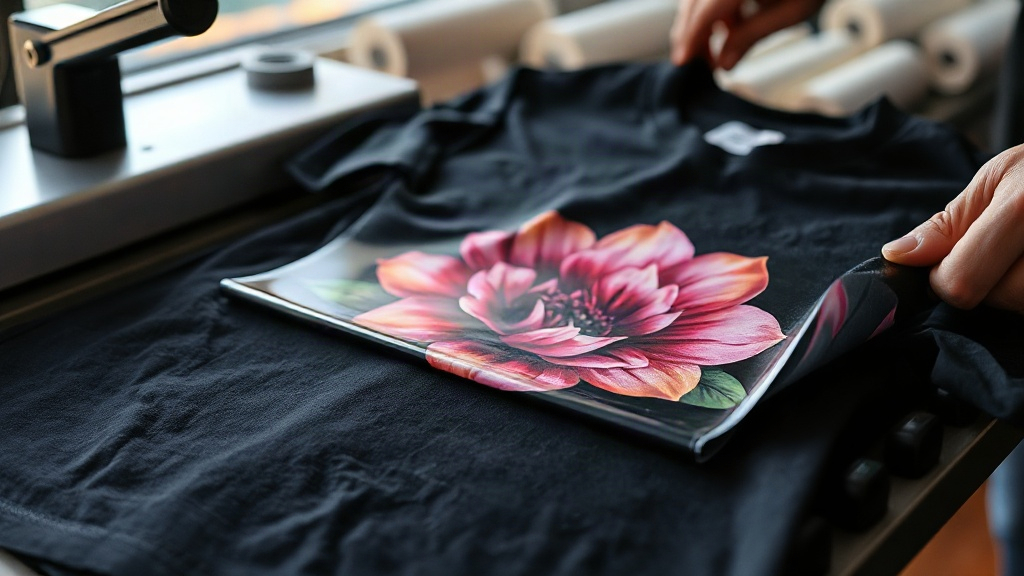
DTF Transfers (Direct to Film) are printed on a special PET film using water-based pigment inks. A thermoplastic powder adhesive is applied to the wet ink, then the film is cured. When you heat press the transfer onto a garment, the adhesive melts and bonds the ink to the fabric. The film is peeled away after cooling, leaving a soft, flexible print. Unlike DTG or screen printing, DTF does not require pre-treatment or special fabric preparation. It works on cotton, polyester, blends, and even tough materials like canvas and nylon. This versatility is why many small businesses and hobbyists have adopted DTF as their go-to method.
Why Durability Matters: What to Expect from DTF Transfers
Durability is where DTF Transfers shine, but only if you follow the right steps. A properly applied DTF transfer can outlast the garment itself. I have shirts that have been washed over 50 times, and the print still looks vibrant with no cracking or fading. The key lies in the bond between the adhesive and the fabric. If the press temperature, pressure, or time is off, the transfer may peel prematurely. Also, the quality of the transfer itself matters. Cheap transfers with low-grade powder tend to crack after a few washes. Investing in high-quality transfers from reputable suppliers makes a huge difference. At dtfstyle.com, for example, they focus on consistent ink and powder quality, which I have found reliable.
Choosing the Right DTF Transfer for Your Fabric
Not all fabrics behave the same under heat. Here is a quick breakdown of what I have experienced:
- 100% Cotton: DTF adheres beautifully. The print feels soft and stretches with the fabric. Pre-pressing to remove moisture is recommended.
- Polyester: Lower temperatures are needed to avoid dye migration. Use a low-temperature DTF transfer or a blocker sheet.
- Blends (50/50): Generally trouble-free. Medium pressure and 325°F for 15 seconds works well.
- Nylon and Water-Resistant Fabrics: These require higher heat and longer dwell time, but DTF can work. Test on a scrap first.
Always check the transfer supplier's recommendations, as ink formulations vary.
Design Considerations for DTF Transfers
One of the biggest advantages of DTF Transfers is the ability to print full-color designs with fine details and gradients. Unlike vinyl, you are not limited by color layers. However, keep these tips in mind:
- Fine Lines and Small Text: DTF can handle details as small as 0.5pt, but very thin lines may fade after washing. Use a minimum line weight of 1pt for best results.
- Backgrounds: DTF transfers have a slight transparent edge. If your design has a background color, it will show the fabric texture underneath. For a solid look, consider a white underbase or choose a transfer with a white layer.
- Stretch and Recovery: DTF prints stretch with the fabric, but if the design is placed over a seam, it may crack. Avoid placing transfers directly over thick seams.
Step-by-Step: How to Apply DTF Transfers for Best Results
Getting a professional finish requires attention to detail. Here is my proven process:
- Pre-press the garment: 5-10 seconds to remove wrinkles and moisture. This step is often overlooked but critical.
- Position the transfer: Place it with the printed side down. Use heat tape if needed to keep it in place.
- Press: Set your heat press to 325°F (160°C) and medium pressure (4-6 on a 1-10 scale). Press for 15 seconds.
- Peel: Wait 10-15 seconds for the transfer to cool slightly, then peel the film off in a smooth, consistent motion. If you peel too hot, the design may stretch; too cold, and it may crack.
- Post-press (optional): For extra durability, cover with parchment paper and press again for 5 seconds. This helps the adhesive fully set.
After application, wait 24 hours before washing. Wash inside out in cold water and tumble dry low. Avoid fabric softener and bleach.
Common Mistakes to Avoid with DTF Transfers
Even experienced crafters make these errors. I know I did. Here is what to watch out for:
- Using too much pressure: This can cause the adhesive to spread too thin, leading to dull colors and poor washability. Medium pressure is usually enough.
- Not pre-pressing: Moisture in the fabric creates steam, which prevents proper bonding. Always pre-press.
- Peeling too soon or too late: Find the sweet spot. If the transfer is still hot, it may stretch; if completely cold, it may crack. Practice on a scrap.
- Ignoring fabric type: Polyester requires lower temps. Using cotton settings on polyester can cause dye migration or scorching.
DTF Transfers vs. Other Printing Methods
How do DTF Transfers stack up against DTG, screen printing, and vinyl? Here is a quick comparison based on my experience:
- DTG: Best for 100% cotton, but requires pre-treatment and can be inconsistent. DTF works on more fabrics and has a softer feel after washing.
- Screen Printing: Cost-effective for large orders, but setup costs are high for small runs. DTF has no minimums and no setup fees.
- Vinyl: Great for simple one-color designs, but cannot handle complex gradients. DTF excels at full-color photographic prints.
For small businesses and personalized items, DTF offers the best balance of quality, versatility, and cost.
Frequently Asked Questions About DTF Transfers
How long do DTF transfers last?
With proper application and care, DTF transfers can last as long as the garment. I have shirts that have gone through 50+ wash cycles and still look great. The key is using quality transfers and following the correct heat press settings.
Can I use DTF transfers on dark colors?
Yes, DTF transfers work on both light and dark fabrics. The white ink layer in the transfer provides opacity, so colors pop on dark backgrounds. Just ensure your design has a white underbase if needed.
Do DTF transfers crack or peel?
They can if not applied correctly. Common causes include insufficient pressure, wrong temperature, or peeling too early. Using high-quality transfers and following the instructions minimizes this risk.
What is the best temperature for DTF transfers?
Most DTF transfers require 325°F (160°C) for 15 seconds at medium pressure. However, always check the supplier's recommendations, as some transfers may require slightly different settings.
Can I stretch DTF transfers?
DTF transfers have some stretch and recovery, but they are not as elastic as the fabric itself. Avoid placing them over areas that stretch excessively, like knees or elbows, if you want maximum durability.
DTF transfers have revolutionized the way we decorate apparel. With the right knowledge and a bit of practice, you can achieve professional results that last. Whether you are a hobbyist or a business owner, understanding the nuances of DTF will help you deliver outstanding products.