
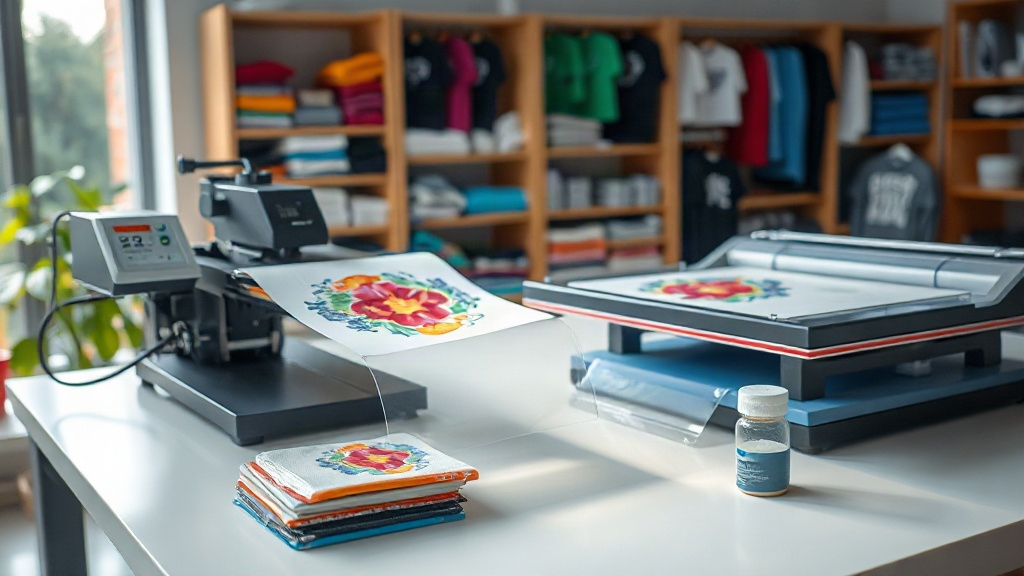
If you've been exploring custom apparel printing, you've likely encountered DTF printing. Short for Direct to Film, this method has quickly become a favorite for creating vibrant, durable designs on various fabrics. Unlike traditional techniques, DTF printing offers flexibility and simplicity, making it accessible for beginners and professionals alike. In this guide, we'll walk you through the essentials of DTF printing, from how it works to practical tips for getting started.
What is DTF Printing?
DTF printing is a digital printing process where your design is printed onto a special film, coated with adhesive powder, and then heat-pressed onto the fabric. This method eliminates the need for pre-treatment or weeding, which are common in other printing techniques like DTG or vinyl. The result is a soft, stretchable print that bonds well with cotton, polyester, and blends.
The DTF Printing Process Step by Step
- Design Preparation: Create your artwork in a graphics program. Remember to mirror the image if your printer requires it.
- Printing: Your design is printed onto a PET film using specialized DTF inks. These inks are vibrant and opaque, allowing for bright colors on dark fabrics.
- Powder Application: While the ink is still wet, a hot-melt adhesive powder is applied evenly over the print. Excess powder is shaken off.
- Curing: The film with the powder is heated to melt the adhesive, creating a transferable layer.
- Heat Pressing: The film is placed on the fabric and pressed with a heat press at specific temperature and pressure. After cooling, the film is peeled away, leaving the design bonded to the fabric.
Why Choose DTF Printing?
DTF printing stands out for several reasons. It works on a wide range of fabrics, including those that are difficult for other methods. The prints are highly durable, withstanding repeated washing without cracking or fading. The process is also cost-effective for small to medium batches, as there's no need for screens or plates. Plus, the ability to print full-color designs with fine details makes it ideal for intricate artwork.
Comparison with Other Printing Methods
When compared to DTG (Direct to Garment), DTF printing doesn't require pre-treatment, which saves time and avoids potential inconsistencies. Vinyl printing, while great for simple designs, can't match the complexity and color range of DTF. Screen printing is cost-effective for large orders but lacks the flexibility for small runs or detailed gradients. DTF bridges the gap, offering high-quality prints without the constraints of other methods.
Getting Started with DTF Printing
To begin your DTF printing journey, you'll need the right equipment and supplies. Here's a checklist to help you start:
- DTF Printer: A dedicated printer that uses DTF inks. Epson or similar models are often converted for this purpose.
- DTF Inks: High-quality inks designed for DTF printing, available in CMYK plus white.
- PET Film: Special film that holds the printed design and adhesive powder.
- Adhesive Powder: Hot-melt powder that bonds the design to the fabric.
- Heat Press: A reliable heat press with adjustable temperature and pressure.
- Curing Oven or Heat Gun: For melting the powder evenly.
Tips for Successful DTF Printing
Start with a good design. High-resolution images with transparent backgrounds work best. Test your printer settings to ensure proper ink coverage. When applying powder, use a shaker for even distribution and avoid clumps. Curing is critical: under-curing leads to wash-off, while over-curing can cause the film to warp. Always follow the manufacturer's recommendations for temperature and time. Finally, practice heat pressing on scrap fabric to dial in the perfect settings for your chosen material.
Common Challenges and Solutions
Even with the best setup, you might encounter issues. If the print cracks after washing, it's likely under-cured or the powder wasn't fully melted. Increase curing time or temperature slightly. If the design doesn't adhere well, check the pressure and temperature of your heat press. For vibrant colors on dark shirts, ensure you're using enough white ink and that the powder is applied evenly. Remember, DTF printing is forgiving, but attention to detail pays off.
Applications of DTF Printing
DTF printing is versatile. It's used for custom t-shirts, hoodies, tote bags, and even shoes. Small businesses love it for creating branded merchandise on demand. Because it works on both natural and synthetic fabrics, it's a go-to for sports jerseys and performance wear. The ability to print photorealistic images and fine text makes it suitable for personalized gifts and promotional items.
Frequently Asked Questions
How long does a DTF print last?
With proper application and care, a DTF print can last as long as the garment itself. It withstands dozens of washes without fading or cracking when instructions are followed. Avoid ironing directly on the print and wash inside out in cold water.
Can I use DTF on 100% cotton?
Absolutely. DTF printing adheres well to cotton, polyester, and blends. The adhesive powder bonds with the fibers, creating a durable finish. Just ensure the fabric is clean and free of wrinkles before pressing.
Do I need special software for DTF printing?
Most DTF printers come with RIP software that handles color management and white ink layering. However, you can use standard graphic design software like Photoshop or Illustrator to create your designs. The RIP software optimizes the print for the printer.
What's the cost of setting up a DTF printer?
Initial costs vary. A converted printer can range from $1,500 to $5,000, plus supplies. However, the low cost per print and versatility often make it a worthwhile investment for small businesses.
Is DTF printing environmentally friendly?
DTF printing uses water-based inks and produces less waste compared to other methods. The PET film is recyclable in some areas, and the process avoids harsh chemicals used in screen printing. Always check local recycling guidelines.