
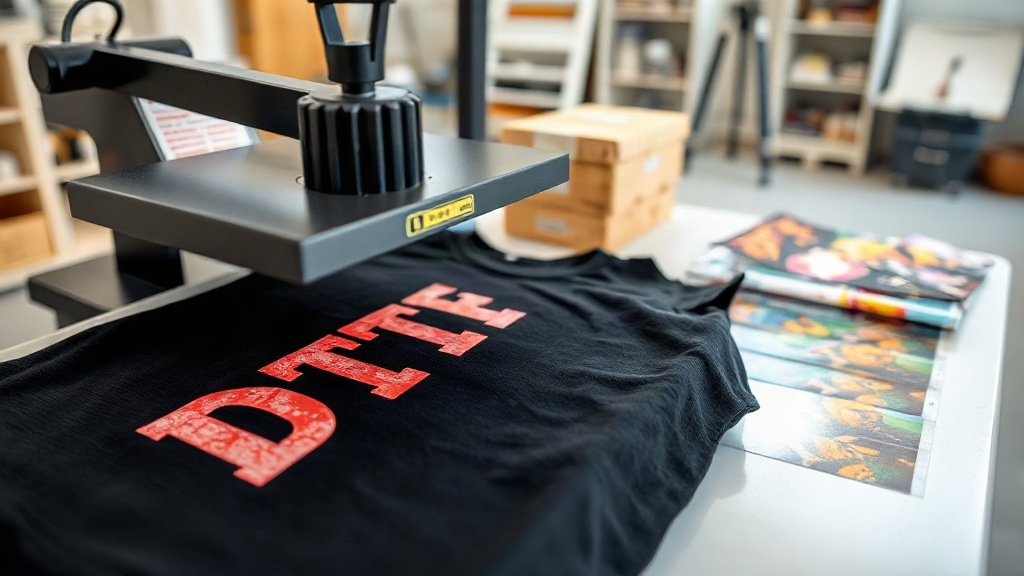
When you first hear about DTF Transfers, you might wonder if it's just another printing fad. But this technology has quietly revolutionized the custom apparel industry, offering a level of versatility and durability that traditional methods struggle to match. Whether you're a small business owner, a hobbyist, or someone looking to personalize gifts, understanding DTF transfers can open up a world of creative possibilities. In this guide, we'll walk you through everything you need to know, from the basics to pro tips, so you can achieve flawless results every time.
What Are DTF Transfers?
DTF stands for Direct to Film. It's a printing process where your design is printed onto a special film, coated with a adhesive powder, and then heat-pressed onto fabric. Unlike DTG (Direct to Garment) or screen printing, DTF transfers don't require pre-treatment of the fabric or specialized equipment beyond a printer and a heat press. The design is printed onto a PET film using water-based inks, then a thermoplastic polyurethane (TPU) powder is applied while the ink is still wet. This powder melts and bonds the design to the fabric during heat application.
Why Choose DTF Transfers?
There are several compelling reasons why DTF transfers have become a go-to for many in the industry. Here are the key benefits:
- Works on almost any fabric: Cotton, polyester, blends, even leather and denim. No need to worry about fabric composition.
- No pre-treatment required: Saves time and avoids the mess of chemical sprays.
- Vibrant colors: DTF transfers can produce bright, detailed prints with gradients and fine lines.
- Durability: When applied correctly, DTF prints withstand repeated washing without cracking or fading.
- Cost-effective for small batches: No setup fees or minimum orders, making it ideal for one-offs or small runs.
How to Apply DTF Transfers: Step by Step
Applying DTF transfers is straightforward, but following the correct steps ensures a professional finish. Here's what you need to do:
- Prepare your heat press: Set the temperature to 325°F (160°C) and preheat for a few minutes.
- Pre-press the garment: This removes moisture and wrinkles. Press for 5-10 seconds.
- Position the transfer: Place the DTF transfer on the fabric with the printed side facing up.
- Press: Apply medium pressure for 15-20 seconds.
- Peel: Wait for the transfer to cool completely (cold peel) before removing the film. This ensures the design adheres properly.
- Post-press (optional): For extra durability, cover with parchment paper and press again for 5-10 seconds.
Common Mistakes to Avoid
Even with a simple process, beginners often run into issues. Here are a few pitfalls to watch out for:
- Insufficient pressure: If the press isn't tight enough, the design won't bond fully.
- Peeling too soon: Hot peeling can stretch the design. Always wait for it to cool.
- Wrong temperature: Too hot and the film may scorch; too cold and the adhesive won't activate.
- Not pre-pressing: Skipping this step can lead to moisture trapped under the transfer, causing bubbles.
DTF Transfers vs. Other Printing Methods
How does DTF stack up against DTG, screen printing, and vinyl? Let's compare:
- DTG: Best for 100% cotton, requires pre-treatment, can be less durable. DTF works on more fabrics and often has better washability.
- Screen printing: Cost-effective for large orders but expensive for small runs and limited to simpler designs. DTF excels in detail and small batches.
- Vinyl: Great for simple shapes and text but not for complex images. DTF handles full-color graphics with ease.
Ultimately, DTF transfers offer a sweet spot: high-quality, full-color prints on almost any material without the hassles of other methods.
Choosing the Right DTF Supplies
Not all DTF films and powders are created equal. To get the best results, invest in quality materials. Look for films that are specifically designed for DTF printing, as they have a special coating that holds the ink and powder effectively. The TPU powder should be fine and consistent; cheaper powders can cause clumping or poor adhesion. Also, ensure your printer uses DTF-compatible inks. Using the wrong ink can clog printheads and ruin the film.
Tips for Long-Lasting Prints
To make your DTF transfers last, follow these care instructions:
- Wash the garment inside out in cold water.
- Avoid using fabric softener or bleach.
- Tumble dry on low or hang to dry.
- If ironing, do not iron directly on the print.
With proper care, your DTF prints can survive dozens of washes without losing their vibrancy.
Frequently Asked Questions
Can I use DTF transfers on dark fabrics?
Yes! DTF transfers work beautifully on dark colors because the white ink layer in the transfer provides a bright base for the colors. Just ensure you use a transfer designed for dark fabrics, which typically includes a white underbase.
How long do DTF transfers last?
When applied correctly and cared for properly, DTF transfers can last as long as the garment itself. Expect at least 50 washes without significant fading or cracking.
Do I need a special printer for DTF?
You can convert a standard inkjet printer to use DTF inks, but it's best to use a printer designed for DTF or a converted one with a DTF ink system. Dedicated DTF printers are available and offer better reliability.
What is the difference between DTF and DTG?
DTG prints directly onto the garment, while DTF prints onto a film that is then transferred. DTF works on more fabric types and often produces more durable prints, while DTG is limited mainly to cotton.
Can I stretch DTF prints?
DTF transfers have some stretchability, but they are not as elastic as the fabric itself. Avoid excessive stretching to prevent cracking. For stretchy fabrics, consider using a transfer with a higher elastomeric content.
Now that you have a solid understanding of DTF Transfers, you're ready to start your own projects. Remember, practice makes perfect, so don't be discouraged if your first attempts aren't flawless. With the right supplies and techniques, you'll be creating professional-quality apparel in no time.