
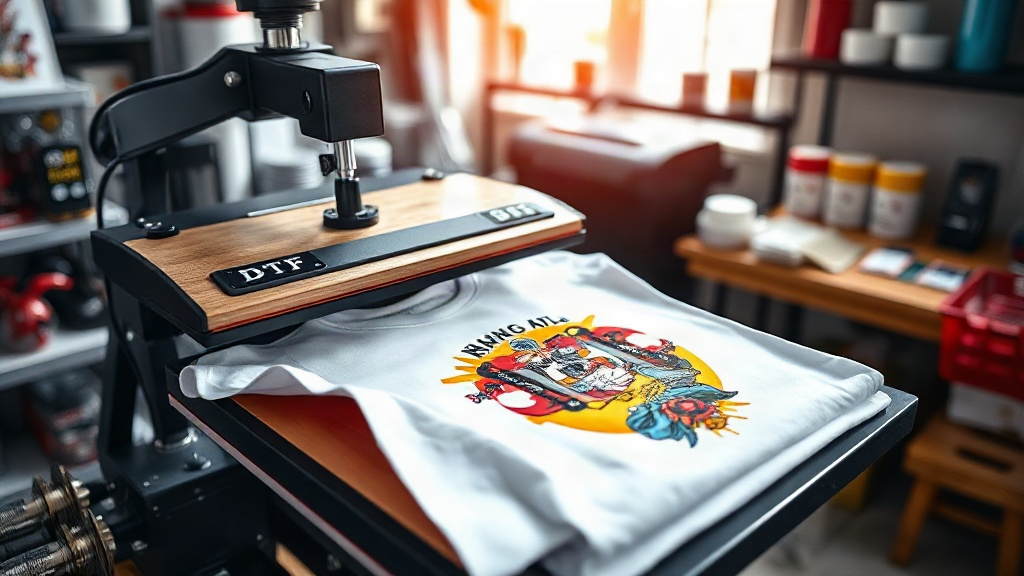
If you've been exploring custom apparel printing, you've likely encountered DTF transfers. This technology has rapidly gained popularity for its versatility and vibrant results. But what exactly are DTF transfers, and how can you use them to elevate your projects? In this guide, we'll walk you through the entire process, from design to finished product, and share insider tips to help you achieve professional-quality prints every time.
What Are DTF Transfers?
DTF stands for Direct to Film. Unlike other printing methods that apply ink directly onto fabric, DTF transfers involve printing your design onto a special film, coating it with adhesive powder, and then heat-pressing it onto your garment. The result is a soft, stretchable print that bonds permanently to the fabric.
The magic of DTF transfers lies in their ability to work on almost any material, including cotton, polyester, blends, and even nylon. This makes them a favorite among crafters and small business owners who want to offer diverse products without investing in multiple printing setups.
How DTF Transfers Work: Step by Step
Understanding the process helps you troubleshoot issues and get consistent results. Here's a breakdown of each stage:
1. Design Preparation
Start with a high-resolution image. Vector files are ideal, but 300 DPI PNGs work well too. Remember that DTF transfers can reproduce fine details and gradients, so don't shy away from complex designs. However, avoid very thin lines (less than 1pt) as they may not hold up during transfer.
2. Printing
Your design is printed onto a PET film using specialized DTF inks. These inks are vibrant and durable, but they require a printer equipped with a DTF ink system. The printer lays down a layer of white ink as a base, followed by the colored inks. This white base is crucial for opacity on dark fabrics.
3. Powder Application
While the ink is still wet, a thermoplastic adhesive powder is sprinkled over the film. The powder sticks to the ink and is then shaken off, leaving a thin, even layer. This powder will melt during heat pressing, creating a strong bond between the ink and the fabric.
4. Curing
The film is then heated to melt the powder. This step, called curing, is typically done in an oven or with a heat press. Proper curing ensures the adhesive is activated and the print becomes durable. Skipping or undercuring this step leads to prints that crack or peel.
5. Heat Pressing
Finally, the transfer is placed on the garment and pressed with a heat press. The heat and pressure cause the adhesive to bond with the fabric fibers. After pressing, you peel off the film (hot or cold peel, depending on the film type) to reveal your vibrant design.
Why Choose DTF Transfers?
With so many printing methods available, why opt for DTF transfers? Here are some compelling reasons:
- Versatility: Works on cotton, polyester, blends, and even treated nylon. No need for different inks or pretreatments.
- Vibrancy: DTF inks produce bright, opaque colors, even on dark garments.
- Detail: Can reproduce intricate details, gradients, and photographs with ease.
- Durability: When applied correctly, DTF prints withstand repeated washing without fading or cracking.
- Cost-effective for small batches: No minimum order quantities, making it ideal for custom orders.
DTF vs. Other Printing Methods
How do DTF transfers stack up against screen printing, DTG, and vinyl? Let's compare:
DTF vs. Screen Printing
Screen printing is cost-effective for large runs but requires separate screens for each color. DTF has no color limitations and is better for detailed designs and small batches.
DTF vs. DTG
DTG (Direct to Garment) prints directly onto fabric, which works best on 100% cotton. DTF adheres to more materials and often produces more vibrant colors on dark fabrics.
DTF vs. Heat Transfer Vinyl
HTV is great for simple shapes and text but can't handle complex gradients or fine details. DTF excels at full-color, detailed images.
Tips for Perfect DTF Transfers
To get the best results, follow these expert tips:
- Choose the right film: Not all DTF films are created equal. Look for films designed for your printer and ink type.
- Control moisture: Humidity can affect powder application. Store film and powder in a dry environment.
- Preheat your garment: This removes wrinkles and moisture, ensuring a smooth application.
- Use consistent pressure: Uneven pressure leads to poor adhesion. Invest in a quality heat press.
- Test peel method: Some films are hot peel, others cold. Follow the manufacturer's instructions.
Common Mistakes to Avoid
Even experienced crafters make these errors. Steer clear of them:
- Under-powdering: Too little powder means the print won't adhere. Too much causes a rough texture.
- Incorrect curing: Under-cured transfers crack; over-cured ones become brittle. Use a temperature gun to verify.
- Pressing on the wrong side: Always press the film side up, or you'll ruin the print.
- Ignoring fabric limitations: While DTF works on many fabrics, some like silicone-coated nylon require special handling.
Applications of DTF Transfers
From custom t-shirts to tote bags, DTF transfers open up a world of possibilities. Here are some popular uses:
- Personalized gifts: Create unique items for birthdays, weddings, and holidays.
- Small business merchandise: Offer custom apparel without large inventory commitments.
- Sports teams: Print team names and numbers with vibrant colors.
- Promotional items: Branded merchandise for events and giveaways.
Frequently Asked Questions
How long do DTF transfers last?
When applied correctly and cared for properly, DTF prints can last as long as the garment itself. Wash inside out in cold water and avoid harsh detergents to extend longevity.
Can I use DTF transfers on 100% polyester?
Yes, DTF works well on polyester. However, polyester requires lower pressing temperatures to avoid melting or scorching. Always test on a scrap piece first.
Do I need a special printer for DTF?
Yes, you need a printer that uses DTF ink and can handle PET film. Many convert Epson printers for this purpose, but dedicated DTF printers are also available.
What is the best way to store DTF transfers?
Store unused transfers in a cool, dry place, away from direct sunlight. Keep them in a sealed bag to prevent moisture damage.
Can I layer DTF transfers?
Yes, you can layer multiple transfers, but it's best to press each layer separately for proper adhesion. Use a heat press for consistent results.
With this guide, you're ready to dive into the world of DTF transfers. Whether you're a hobbyist or a business owner, mastering this technique can expand your creative and commercial opportunities. Happy printing!