
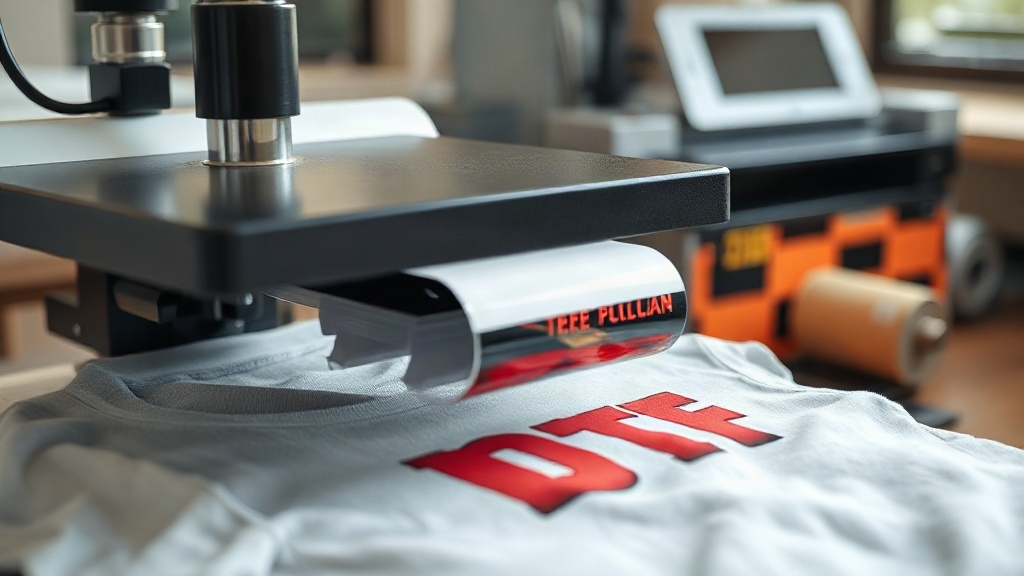
Imagine transferring a full-color design onto a cotton tote bag or a polyester jersey without worrying about the fabric type. That's the promise of DTF Transfers. Standing for Direct-to-Film, this printing method has quickly become a favorite for small business owners, crafters, and anyone who wants professional-looking apparel without the complexity of screen printing or the limitations of vinyl. If you've been curious about DTF transfers but aren't sure where to start, this guide will walk you through the entire process, from creating your design to washing your finished product.
What Exactly Are DTF Transfers?
DTF transfers are printed on a special film using a DTF printer. The process involves printing your design with water-based inks onto a PET film, then applying a hot-melt adhesive powder to the wet ink. After the powder is cured, the transfer is ready to be applied to fabric using a heat press. The result is a soft, stretchable print that bonds permanently to the material.
Unlike DTG (Direct-to-Garment) printing, which requires the garment to be pre-treated and works best on cotton, DTF transfers can be applied to almost any fabric, including cotton, polyester, blends, and even leather. This versatility makes DTF a go-to solution for printing on items like t-shirts, hoodies, caps, and bags.
Why Choose DTF Transfers Over Other Methods?
You might be wondering how DTF compares to more established techniques like screen printing or heat transfer vinyl (HTV). Here are a few reasons why DTF stands out:
- No color limitations: DTF printers use CMYK plus white ink, so you can print photorealistic images, gradients, and fine details without worrying about color separation.
- Fabric flexibility: As mentioned, DTF works on a wide range of materials, including dark and light colors, without the need for different vinyl types.
- Durability: When applied correctly, DTF prints resist cracking, peeling, and fading even after multiple washes.
- Cost-effective for small batches: Unlike screen printing, which requires separate screens for each color, DTF is economical for short runs and one-off designs.
That said, DTF isn't perfect for every situation. For very large orders, screen printing may still be more cost-effective. And while DTF prints are soft, they do have a slight texture compared to dye-sublimation. But for most custom apparel needs, DTF offers an excellent balance of quality, versatility, and ease of use.
Step-by-Step: How to Apply DTF Transfers
Applying a DTF transfer is straightforward, but following the right steps ensures a professional finish that lasts. Here's what you need to do:
1. Prepare Your Workspace and Materials
You'll need a heat press (or a home iron with no steam), your DTF transfer, the garment, and a protective sheet like parchment paper or Teflon. Preheat your heat press to the temperature recommended by your transfer supplier, typically around 300-325°F (150-160°C).
2. Position the Transfer
Place the garment on the press and smooth out any wrinkles. Position the DTF transfer with the printed side facing up. If your design has a white layer, make sure it's on the bottom (the adhesive side touches the fabric).
3. Press the Transfer
Cover the transfer with your protective sheet. Apply medium to firm pressure for 10-15 seconds. The exact time can vary depending on your press and the transfer, so always check the instructions that come with your DTF transfers.
4. Peel the Film
Let the transfer cool completely before peeling off the film. This is called a cold peel. If you peel while hot, the design may stretch or lift. Once cool, slowly peel the film away. If any part of the design lifts, press it again for a few seconds.
5. Post-Press for Durability
For extra durability, cover the design with the protective sheet and press again for 5-10 seconds. This helps the adhesive fully bond with the fabric.
Common Mistakes to Avoid with DTF Transfers
Even though DTF is forgiving, a few missteps can ruin your print. Watch out for these:
- Using too much pressure: This can cause the ink to spread and blur the design.
- Peeling too soon: Always wait for the transfer to cool. Hot peel is for other types of transfers, not DTF.
- Inconsistent temperature: Use a heat gun or infrared thermometer to verify your press temperature, as dials can be inaccurate.
- Not pre-pressing the garment: This removes moisture and wrinkles, ensuring a smooth application.
By avoiding these pitfalls, you'll get consistent, professional results every time.
How to Care for DTF-Printed Garments
To keep your DTF transfers looking vibrant, follow these care tips:
- Wait at least 24 hours before washing.
- Turn the garment inside out before washing.
- Use cold water on a gentle cycle.
- Avoid bleach and fabric softeners.
- Tumble dry on low or hang to dry.
- Iron inside out, never directly on the print.
With proper care, your DTF prints can last as long as the garment itself.
Frequently Asked Questions About DTF Transfers
Can I use DTF transfers on 100% polyester?
Yes, DTF transfers work beautifully on polyester. In fact, they often adhere better to polyester than to cotton because the synthetic fibers bond well with the adhesive. Just be mindful of the heat settings; polyester can scorch at high temperatures, so use a lower temperature (around 280-300°F) and test on a scrap piece first.
How long do DTF transfers last?
With proper application and care, DTF transfers can last for years. They are known for their durability and resistance to cracking and fading. The key is to follow the correct pressing parameters and washing instructions.
Do I need a special printer for DTF transfers?
Yes, DTF printing requires a dedicated DTF printer that uses DTF inks and can handle the film. However, if you don't want to invest in a printer, you can purchase pre-printed DTF transfers from suppliers and apply them with a heat press.
Can I layer DTF transfers?
Layering is possible but tricky. It's best to avoid overlapping multiple DTF transfers as the adhesive might not bond properly through the layers. If you must layer, press each layer separately and use a lower temperature for subsequent layers to prevent the bottom layer from re-melting.
What's the difference between DTF and DTG?
DTF involves printing on a film and then transferring to fabric, while DTG prints directly onto the garment. DTF works on more fabric types and doesn't require pre-treatment, but DTG can produce a softer hand feel on cotton. Your choice depends on your specific needs and fabric.
DTF transfers have opened up a world of possibilities for custom apparel. Whether you're a hobbyist or a business owner, understanding the ins and outs of this technology can help you achieve stunning, long-lasting results. So go ahead, experiment with different fabrics and designs, and enjoy the creative freedom that DTF offers.