
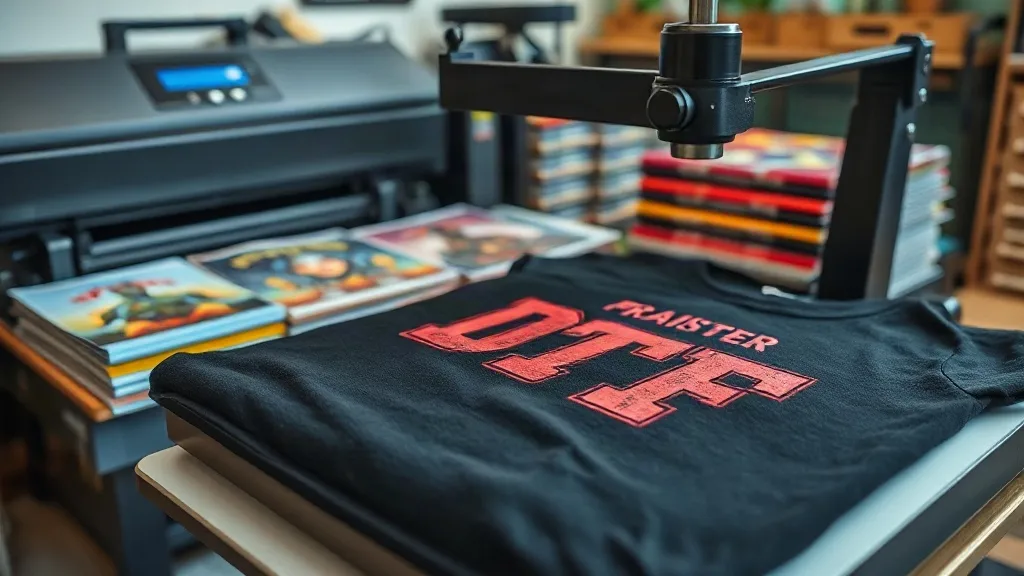
If you've been exploring custom apparel printing, you've likely come across dtf transfers as a rising star in the industry. Unlike traditional methods that require specialized equipment or messy processes, DTF (Direct to Film) printing offers a streamlined way to produce vibrant, durable designs on a wide range of fabrics. Whether you're a small business owner, a hobbyist, or simply curious about the latest printing technology, understanding DTF transfers can open up new creative possibilities.
What Are DTF Transfers?
DTF transfers are printed designs on a special film that can be heat-pressed onto fabric. The process involves printing your artwork onto a PET film using specialized dtf inks, then applying a powder adhesive while the ink is still wet. Once the powder is melted, the transfer is ready to be applied to a garment using a heat press. The result is a soft, stretchable print that adheres well to cotton, polyester, blends, and even some non-fabric materials.
Why Choose DTF Transfers?
There are several reasons why DTF transfers have gained popularity among crafters and professionals alike:
- No pre-treatment required: Unlike DTG printing, DTF doesn't require you to pre-treat the fabric, saving time and reducing chemical use.
- Versatility: DTF works on almost any fabric, including dark colors, polyester, and blends, which can be challenging for other methods.
- Durability: When applied correctly, DTF prints resist cracking, peeling, and fading, even after multiple washes.
- Cost-effective for small batches: You can produce single transfers or small runs without the setup costs of screen printing.
These advantages make DTF a go-to choice for custom t-shirts, tote bags, and more.
The DTF Printing Process Step by Step
Understanding the workflow helps you achieve consistent results. Here's what goes into creating a DTF transfer:
- Design preparation: Create your artwork in a vector or high-resolution raster format. Remember to mirror the image before printing so it reads correctly when pressed.
- Printing: Using a DTF printer, the design is printed onto a PET film with CMYK and white inks. The white ink layer acts as a base, allowing the colors to pop on dark fabrics.
- Powder application: While the ink is still wet, a hot-melt adhesive powder is sprinkled over the design. Excess powder is shaken off.
- Curing: The film is then heated to melt the powder, creating a smooth, dry adhesive layer.
- Pressing: The transfer is placed on the fabric and pressed with a heat press at the recommended temperature and pressure. After cooling, the film is peeled away, leaving the design bonded to the fabric.
Each step requires attention to detail, but the process is straightforward once you get the hang of it.
Choosing the Right DTF Supplies
Quality supplies are key to successful DTF transfers. Here's what to look for:
- DTF inks: Use inks specifically formulated for DTF printing to ensure vibrant colors and proper adhesion.
- PET film: Choose a film that is compatible with your printer and designed for DTF. It should have a matte side for printing and a glossy side for handling.
- Adhesive powder: Not all powders are created equal. Look for a fine, consistent powder that melts evenly.
- Heat press: A reliable heat press with accurate temperature control is essential for consistent results.
Investing in good supplies saves you from frustration and wasted materials.
Tips for Flawless Application
Even with the best supplies, application technique matters. Keep these tips in mind:
- Preheat the fabric: This removes moisture and wrinkles, helping the transfer adhere better.
- Use the right settings: Follow the temperature, pressure, and time recommendations for your specific film and powder.
- Peel at the right temperature: Some films are hot-peel, others cold-peel. Check the instructions to avoid peeling too early or too late.
- Press again after peeling: A second press with a Teflon sheet or parchment paper can improve durability and smoothness.
These small steps make a big difference in the final quality.
Where to Find DTF Transfers Near You
If you're not ready to invest in a DTF printer, you can still enjoy the benefits by ordering pre-printed transfers. Many online services offer custom DTF transfers, and some local print shops provide them as well. When searching for dtf transfers near me, consider factors like turnaround time, minimum order quantities, and shipping costs. For those in the US, HarwinDTF offers high-quality transfers with fast shipping. Always request a sample to check quality before committing to a large order.
Common Mistakes to Avoid
Learning from others' mistakes can save you time and money. Here are some pitfalls to watch out for:
- Using too much pressure: This can cause the ink to spread and lose detail. Use moderate pressure.
- Inconsistent powder application: Too little powder leads to poor adhesion; too much creates a rough texture. Aim for an even coat.
- Ignoring fabric type: While DTF works on many fabrics, some (like nylon) may require lower temperatures to avoid melting.
- Skipping the test press: Always test on a scrap piece of fabric to dial in your settings.
By avoiding these common errors, you'll achieve professional-looking results more consistently.
Frequently Asked Questions About DTF Transfers
How long do DTF transfers last?
With proper application and care, DTF transfers can last as long as the garment itself. They resist fading, cracking, and peeling even after many washes. For best results, wash inside out in cold water and avoid harsh detergents.
Can I use DTF transfers on dark shirts?
Absolutely. DTF transfers include a white ink layer that makes colors pop on dark fabrics. This is one of the key advantages over other printing methods.
Do I need a special printer for DTF?
Yes, DTF printing requires a printer that uses DTF inks and is capable of printing on PET film. However, if you don't want to invest in a printer, you can order pre-printed transfers from various suppliers.
What fabrics work best with DTF?
DTF works well on cotton, polyester, blends, and even some synthetic fabrics. It's not recommended for fabrics with heavy textures or coatings, as the transfer may not adhere properly.
How do I store unused DTF transfers?
Store them in a cool, dry place away from direct sunlight. Keep them flat to avoid creasing. Properly stored transfers can last for several months.
Final Thoughts
DTF transfers have revolutionized the custom apparel industry by making it accessible to print vibrant, durable designs on a wide range of fabrics without the need for complex setups. Whether you're a DIY enthusiast or a professional printer, mastering DTF can expand your creative horizons. Remember to source quality supplies, follow best practices, and don't hesitate to experiment. With a bit of practice, you'll be producing stunning DTF transfers that impress your customers and keep them coming back for more.