
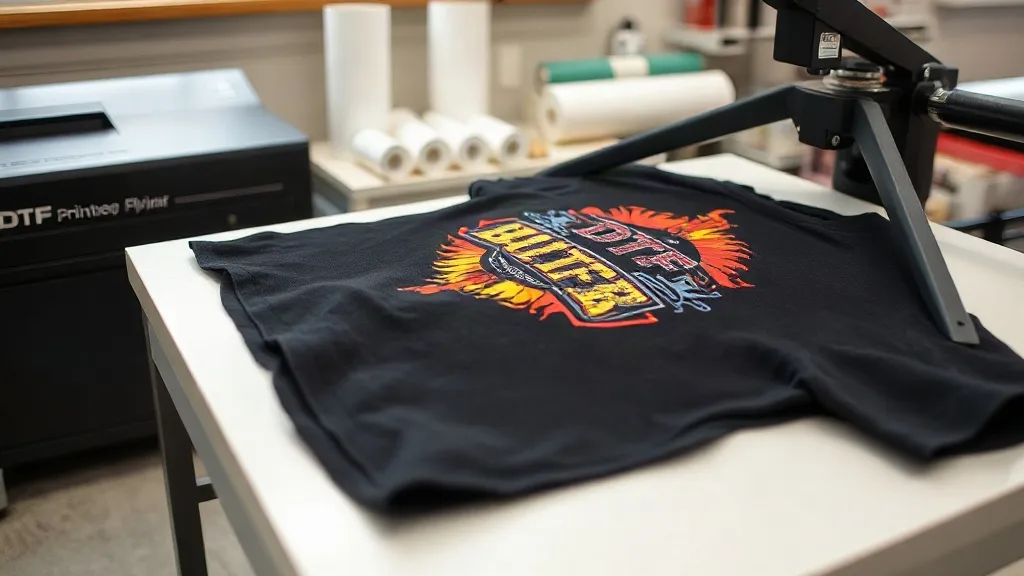
If you've been exploring custom apparel printing, you've likely encountered dtf printing. This innovative technique is rapidly gaining popularity for its ability to produce vibrant, detailed designs on a wide range of fabrics. Unlike traditional methods that require specific materials or complex setups, DTF offers a versatile and accessible solution for both beginners and professionals. In this guide, we'll dive deep into what DTF printing is, how it works, and why it might be the perfect choice for your next project. Whether you're a small business owner, a hobbyist, or just curious about the latest trends in garment decoration, understanding DTF can open up a world of creative possibilities.
What Exactly is DTF Printing?
DTF stands for Direct to Film. It's a printing method where your design is printed onto a special PET film using water-based inks, then coated with a hot-melt adhesive powder. Once the powder is cured, the transfer is ready to be applied to fabric using a heat press. The magic happens when the adhesive melts and bonds the ink to the fabric, creating a durable, stretchable print that feels soft to the touch. Unlike DTG (Direct to Garment) printing, which prints directly onto the fabric, DTF allows you to print on a much wider variety of materials, including cotton, polyester, blends, and even nylon. This flexibility is one of the main reasons DTF has become a game-changer in the custom apparel industry.
The DTF Process Step by Step
To give you a clearer picture, here's a breakdown of the DTF printing process:
- Design Preparation: Your artwork is prepared in a graphics program, ensuring it's mirrored and sized appropriately. The design is then printed onto a PET film using a DTF printer with CMYK and white inks.
- Powder Application: While the ink is still wet, a hot-melt adhesive powder is applied evenly over the printed design. The excess powder is shaken off.
- Curing: The film with the powder-coated design is then heated to melt the powder, creating a smooth, adhesive layer. This can be done in a curing oven or with a heat press.
- Transfer: The cured film is placed onto the fabric and pressed with a heat press at a specific temperature and pressure for a set time. After pressing, the film is peeled away (hot or cold peel, depending on the film type), leaving the design bonded to the fabric.
Each step is crucial for achieving a high-quality, long-lasting transfer. The good news is that once you have the right equipment, the process becomes second nature.
Why Choose DTF Transfers Over Other Methods?
There are several compelling reasons why dtf transfers have become a preferred choice for many. Let's explore the key benefits:
- Fabric Versatility: DTF works on almost any fabric, including cotton, polyester, blends, leather, and even treated nylon. This is a huge advantage over DTG, which primarily works on cotton, or vinyl, which can be limited in color and detail.
- Vibrant Colors and Fine Details: DTF printers use CMYK and white inks to produce full-color designs with gradients, photographic images, and fine lines. The white ink base ensures that colors pop even on dark garments.
- Durability and Stretchability: When applied correctly, DTF prints are highly durable and can stretch with the fabric without cracking or peeling. They withstand repeated washing and wearing.
- No Pretreatment Required: Unlike DTG, DTF doesn't require pre-treating the garment, saving time and eliminating another variable in the process.
- Cost-Effective for Small Runs: DTF is economical for small to medium-sized orders because you don't need screens or plates. You can print one-off designs or short runs without breaking the bank.
- Easy to Store and Ship: DTF transfers can be stored for months and shipped easily, making them ideal for on-demand production or for selling as a product.
These benefits make DTF an attractive option for businesses looking to offer custom apparel without the limitations of traditional printing methods.
Getting Started with DTF Printing
If you're convinced that DTF is worth exploring, here's what you need to know to get started. First, you'll need a DTF printer. These are specialized printers that use DTF inks and can handle the film. Alternatively, you can outsource your printing to a DTF transfer supplier, which is a great way to test the waters without a large investment. Many suppliers offer custom DTF transfers where you simply send them your design and they ship you the ready-to-press transfers.
Next, you'll need a heat press. A good quality heat press with consistent temperature and pressure is essential for proper application. You'll also need the PET film, adhesive powder, and curing equipment if you're doing the printing yourself. For those just starting, purchasing pre-made DTF transfers is a low-risk way to offer custom products. You can find reputable suppliers online, and once you have your transfers, applying them is straightforward.
Choosing the Right DTF Transfer Supplier
Not all DTF transfers are created equal. The quality of the inks, film, and adhesive powder can vary significantly from one supplier to another. When choosing a supplier, look for those who use high-quality materials and have positive reviews. It's also important to consider their turnaround time and shipping options. A reliable supplier will provide clear instructions for application and stand behind their product. If you're in the market for DTF transfers, consider checking out dtf transfers for a range of options. They offer vibrant, durable transfers that are easy to apply.
Application Tips for Perfect Results
Applying DTF transfers is relatively simple, but following the right steps ensures a professional finish. Here are some tips:
- Preheat the Garment: Before pressing, preheat the fabric for a few seconds to remove moisture and wrinkles. This helps the transfer adhere better.
- Use the Right Settings: Follow the transfer supplier's recommended temperature, pressure, and time. Typically, it's around 300-325°F (150-160°C) for 10-15 seconds with medium pressure.
- Peel at the Right Temperature: Some films are hot peel, others cold peel. Check the instructions. Hot peel means you remove the film immediately after pressing while it's still hot; cold peel means you wait until it cools down.
- Post-Press for Durability: After peeling, you can do a second press with a Teflon sheet or parchment paper for a few seconds to further embed the ink into the fabric. This improves washability.
- Wash Inside Out: To prolong the life of your DTF print, wash the garment inside out in cold water and avoid bleach. Tumble dry low or hang dry.
By following these tips, you'll achieve vibrant, long-lasting results that impress your customers.
Common Challenges and How to Overcome Them
Like any printing method, DTF has its quirks. One common issue is the powder not sticking properly, which can lead to a dull or incomplete transfer. This usually happens if the ink is too dry before powder application or if the powder is old. Ensure you apply powder immediately after printing while the ink is wet, and store powder in a dry environment. Another challenge is cracking or peeling after washing. This can result from insufficient pressure during pressing or not enough time. Always test your settings on a scrap fabric before pressing your final product. Additionally, some fabrics with heavy textures or coatings may require a longer press time or higher pressure. Experimentation is key to mastering DTF.
Frequently Asked Questions About DTF Printing
Can I use DTF transfers on dark-colored shirts?
Absolutely! One of the biggest advantages of DTF is that it uses a white ink base, which allows vibrant colors to show up beautifully on dark fabrics. The white layer is printed underneath the colored inks, ensuring opacity and brightness.
How durable are DTF transfers compared to screen printing?
When applied correctly, DTF transfers are very durable and can withstand repeated washing. They are stretchable and resist cracking. While screen printing can also be durable, DTF often feels softer and can handle more intricate designs without the setup costs.
Do I need a special printer for DTF printing?
Yes, DTF printing requires a printer that uses DTF inks and is designed to print on PET film. However, if you don't want to invest in a printer, you can purchase ready-made DTF transfers from suppliers and apply them with a heat press.
What fabrics work best with DTF transfers?
DTF works on a wide range of fabrics, including cotton, polyester, cotton-poly blends, leather, and nylon. It's particularly useful for polyesters and blends where other methods like DTG may not adhere well. For best results, always test on a small area first.
How should I store unused DTF transfers?
Store unused DTF transfers in a cool, dry place, away from direct sunlight. Keep them in a sealed bag or container to prevent dust and moisture from affecting the adhesive. Properly stored transfers can last for several months.
Final Thoughts
DTF printing is a versatile and powerful tool for anyone in the custom apparel business. Its ability to produce vibrant, detailed designs on a variety of fabrics, combined with its durability and ease of use, makes it a top choice for both beginners and experienced printers. Whether you're printing your own designs or reselling transfers, understanding the ins and outs of DTF will help you deliver high-quality products that customers love. So why not give DTF a try? With the right supplies and a bit of practice, you'll be creating stunning custom apparel in no time.