
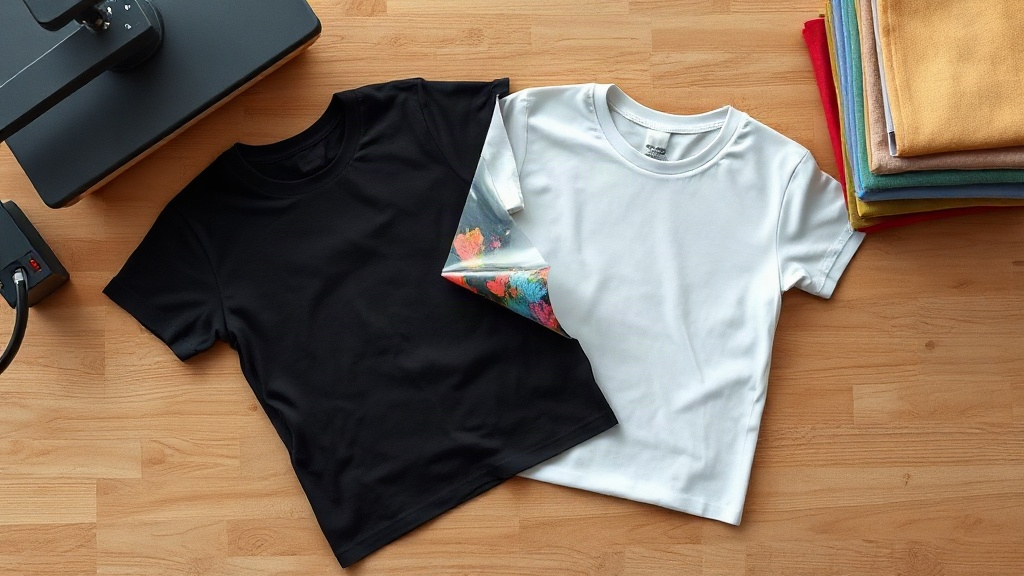
When you're creating custom apparel with DTF transfers, the blank you choose is just as important as the print itself. Two names that frequently come up in decorating circles are Smart Blanks and Shaka Wear. Both offer quality garments, but they cater to different needs and printing methods. In this article, we'll break down what makes each brand unique, how they perform with DTF transfers, and how to decide which one fits your project.
Why the Blank Matters for DTF Transfers
DTF transfers (direct-to-film) have revolutionized custom apparel by allowing vibrant, full-color designs on a wide range of fabrics. Unlike vinyl or screen printing, DTF prints adhere to the fabric through a heat press, creating a durable bond. However, not all blanks are created equal. The fabric content, weave, and finish can affect how well the transfer adheres, how it feels, and how long it lasts.
For example, a 100% cotton shirt with a smooth surface will typically yield a softer hand and better washability than a rough, textured fabric. Polyester blends can also work, but they may require different pressing parameters to avoid dye migration. That's why understanding the characteristics of brands like Smart Blanks and Shaka Wear is crucial for professional results.
Smart Blanks: The Modern Essential
Smart Blanks has quickly become a go-to for decorators who want a reliable, affordable blank that works well with DTF transfers. Their garments are known for consistent sizing, soft hand feel, and excellent printability. Most Smart Blanks styles are made from 100% ring-spun cotton or cotton/poly blends, which provide a smooth canvas for detailed transfers.
Key Features of Smart Blanks
- Fabric quality: Ring-spun cotton offers a soft, smooth surface that helps DTF transfers adhere evenly.
- Fit: Modern unisex cuts that appeal to a wide audience, from retail brands to event merch.
- Color range: A solid selection of core colors, with some fashion shades available.
- Price point: Competitive pricing makes them ideal for high-volume orders without sacrificing quality.
In my experience, Smart Blanks tees handle DTF transfers beautifully. The prints stay vibrant after multiple washes, and the fabric doesn't pill easily. For beginners, they're forgiving because they tolerate a range of pressing temperatures and pressures.
Shaka Wear: Streetwear Appeal with Substance
Shaka Wear has carved a niche in the streetwear and urban fashion scene. Their garments often feature heavier weights, boxier fits, and a slightly rougher texture that appeals to those seeking a vintage or oversized look. While Shaka Wear is often associated with screen printing, many decorators successfully use DTF transfers on their blanks as well.
Key Features of Shaka Wear
- Fabric quality: Heavyweight cotton (often 6 oz or more) that gives a premium, durable feel.
- Fit: Relaxed, boxy cuts that are trendy in streetwear.
- Color range: A mix of classic and fashion-forward colors, including some garment-dyed options.
- Price point: Slightly higher than basic blanks, but justified by the heavier fabric and brand cachet.
When applying DTF transfers to Shaka Wear, you may need to adjust your heat press settings. The heavier fabric requires a bit more pressure and time to ensure the adhesive fully penetrates the weave. Once dialed in, the results are impressive: a rugged, long-lasting print that suits the brand's aesthetic.
Head-to-Head: Smart Blanks vs Shaka Wear for DTF Transfers
To make an informed choice, let's compare them across critical factors.
Fabric and Hand Feel
Smart Blanks typically use finer yarns, resulting in a smoother, softer surface. This translates to a more comfortable feel against the skin and a DTF print that sits closer to the fabric. Shaka Wear, with its heavier cotton, offers a more substantial hand. The print may feel slightly raised initially but settles after washing.
Durability of DTF Transfers
Both brands can yield durable prints if pressed correctly. However, the heavier weave of Shaka Wear can sometimes make it trickier to achieve full adhesion without proper pressure. On the other hand, Smart Blanks smooth surface often requires less effort to get a flawless bond. In wash tests, both hold up well, but Smart Blanks may have a slight edge in maintaining print integrity over many cycles due to its tighter weave.
Color and Style Options
Smart Blanks excels in providing a wide array of colors suitable for corporate events, sports teams, and everyday wear. Shaka Wear leans toward edgier, streetwear-inspired hues and cuts. If your target market is fashion-forward, Shaka Wear might be the better fit.
Price and Availability
Smart Blanks are generally more budget-friendly, making them ideal for large orders where cost per unit matters. Shaka Wear commands a higher price due to its heavier fabric and brand positioning. Availability can vary, so check with suppliers like dtfstyle.com for stock.
Practical Tips for Using DTF Transfers on Both Brands
Regardless of which blank you choose, following best practices ensures great results.
- Pre-press the garment: This removes moisture and wrinkles, creating a smooth surface for the transfer.
- Use the right settings: For Smart Blanks, typical settings are 325°F for 15 seconds with medium pressure. For Shaka Wear, increase to 350°F for 20 seconds with heavy pressure.
- Peel with care: Always peel the film while it's warm for a matte finish, or cool for a glossy look.
- Post-press: A quick second press (5-10 seconds) with a cover sheet can improve durability.
- Wash inside out: Advise your customers to wash inside out in cold water and tumble dry low to extend print life.
Which One Should You Choose?
The decision boils down to your project's needs. If you're printing for a corporate client, a school fundraiser, or a budget-conscious event, Smart Blanks offer an unbeatable combination of quality and value. Their smooth fabric makes DTF transfers look crisp and professional.
If you're targeting the streetwear market, where heavier fabrics and boxy fits are in demand, Shaka Wear provides the right aesthetic. The slightly higher cost is offset by the premium feel and brand recognition. Many decorators keep both in stock to cater to different customers.
Frequently Asked Questions
Can I use DTF transfers on Shaka Wear's heavyweight cotton?
Yes, absolutely. DTF transfers work well on heavyweight cotton, but you'll need to adjust your heat press settings. Use a higher temperature (around 350°F) and longer pressing time (20 seconds) with firm pressure to ensure the adhesive penetrates the thicker weave. Always do a test press first.
Do Smart Blanks require special treatment before applying DTF transfers?
No special treatment is needed beyond pre-pressing to remove moisture and wrinkles. Smart Blanks' smooth, ring-spun cotton surface is already ideal for DTF transfers. Just follow standard DTF application guidelines for best results.
Which brand offers better washability for DTF prints?
Both brands offer good washability when the transfer is applied correctly. Smart Blanks may have a slight edge due to its tighter weave, which can prevent the print from cracking. However, proper washing (inside out, cold water) is key for longevity on any garment.
Are Shaka Wear blanks more expensive than Smart Blanks?
Generally, yes. Shaka Wear's heavier fabrics and streetwear branding come at a higher price point. Smart Blanks are more budget-friendly, making them a popular choice for high-volume orders where cost is a concern.
Can I mix Smart Blanks and Shaka Wear in the same order?
Of course. Many decorators use both brands to offer variety. Just be mindful of the different pressing parameters and inform your customers about the distinct fits and feels. It's a great way to cater to diverse preferences.
Ultimately, both Smart Blanks and Shaka Wear are excellent choices for DTF transfers. Your decision should align with your target market, budget, and desired garment characteristics. By understanding their strengths, you can confidently select the right blank for your next project and deliver custom apparel that exceeds expectations.