
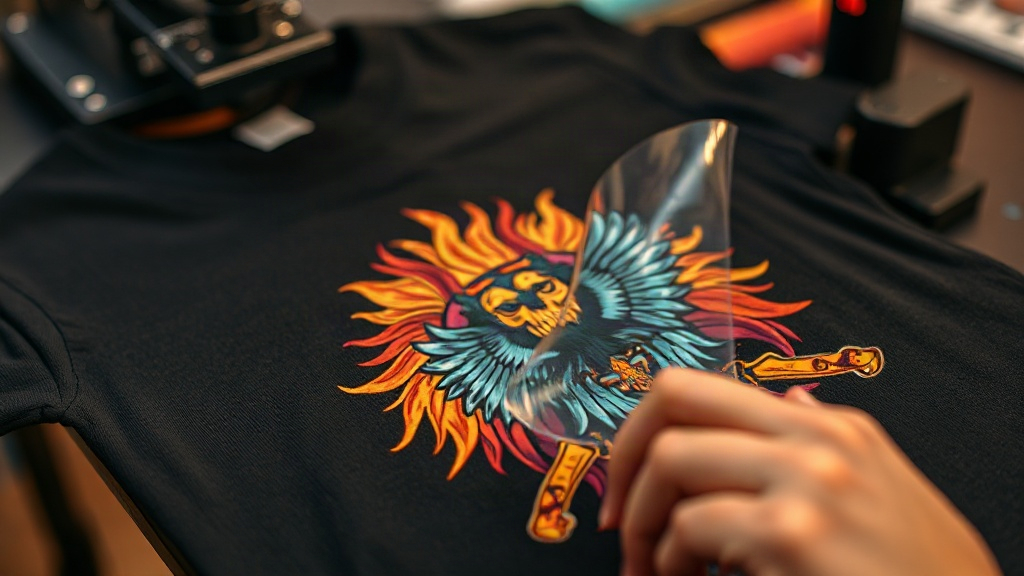
When you first hear about DTF transfers, you might picture a complicated industrial process. But the reality is far more accessible, and it's quickly becoming the go-to method for creators who want vibrant, durable prints without the steep learning curve of screen printing or the limitations of vinyl. Whether you're decorating a handful of tees for a local band or scaling up a clothing brand, understanding DTF transfers can open doors to new creative and business opportunities.
In this guide, we'll walk through what DTF transfers are, how they compare to other decoration methods, and how to choose the right garments, including popular options like Shaka Wear and Smart Blanks. We'll also share practical tips to get professional results from your first print.
What Are DTF Transfers?
DTF stands for Direct to Film. It's a printing technology where your design is printed onto a special PET film using water-based inks, then coated with a thermoplastic adhesive powder. After the powder is cured, the transfer is ready to be applied to fabric using a heat press. The film is peeled away, leaving the design bonded to the garment.
Unlike DTG (Direct to Garment) printing, which requires pretreating and works best on 100% cotton, DTF transfers adhere to a wide range of materials, including cotton, polyester, blends, and even nylon. This versatility is a major reason why DTF has exploded in popularity among small businesses and hobbyists alike.
How DTF Transfers Work: Step by Step
- Design preparation: Create your artwork and print it onto DTF film using a DTF printer. The image is printed in reverse (mirrored).
- Powder application: While the ink is still wet, sprinkle hot-melt adhesive powder over the print. Shake off the excess.
- Curing: Place the film in a curing oven or under a heat press to melt the powder. This creates a dry, tacky surface.
- Transfer: Position the film on your garment and apply heat and pressure with a heat press (typically 300-325°F for 10-15 seconds).
- Peel: Remove the film while it's hot or cold, depending on the film type. The design stays on the fabric.
The result is a soft, stretchable print that can handle detailed graphics, gradients, and photographs with ease.
Why Choose DTF Transfers Over Other Methods?
If you're familiar with screen printing, vinyl, or DTG, you know each has its place. But DTF transfers offer a unique combination of benefits that make them a smart choice for many projects.
- No color limitations: Unlike vinyl, DTF can print full-color images with fine details. You're not limited to a single color per layer.
- Works on almost any fabric: Cotton, polyester, blends, spandex, and even leather or canvas. This makes it ideal for diverse product lines.
- Durable and stretchy: The prints resist cracking and fading, and they stretch with the fabric, which is great for athletic wear.
- Low setup cost: No screens or plates needed. You can produce a single shirt as economically as a hundred.
- Fast turnaround: Once your design is ready, you can print and press in minutes, perfect for last-minute orders.
That said, DTF isn't always the best for every scenario. For very large orders of simple one-color designs, screen printing might be more cost-effective. And for 100% cotton white tees, DTG can produce a softer hand feel. But for versatility and detail, DTF is hard to beat.
Choosing the Right Blank Apparel for DTF Transfers
The garment you choose is just as important as the print itself. A high-quality blank ensures your design looks great and lasts. When selecting blanks for DTF, consider fabric content, weight, and color. Smooth, tightly woven fabrics tend to yield the best results because the adhesive can bond evenly.
Shaka Wear: Streetwear-Ready Blanks
Shaka Wear has become a favorite among streetwear brands and custom printers. Their tees are known for their heavyweight cotton, boxy fit, and exceptional durability. The fabric's tight knit provides a smooth canvas for DTF transfers, and the prints adhere beautifully without feeling stiff. If you're aiming for that premium, streetwear aesthetic, Shaka Wear is a solid choice. Their hoodies and crewnecks also take DTF well, though you may need to adjust your press settings for thicker fabrics.
Smart Blanks: Budget-Friendly and Reliable
For those just starting out or looking to keep costs down, Smart Blanks offers a range of affordable options that don't sacrifice quality. Their cotton and poly-cotton tees are soft, consistent in size, and hold DTF prints well. Many printers appreciate Smart Blanks for their consistent quality control and wide color selection. They're a great choice for sampling new designs or producing large runs of promotional apparel.
Of course, other brands like Bella+Canvas, Gildan, and Next Level also work well with DTF. The key is to test a sample before committing to a big order. Every fabric behaves slightly differently, so a quick test press can save you headaches later.
Tips for Perfect DTF Transfers Every Time
Even with the best equipment, small mistakes can ruin a print. Here are some practical tips to ensure consistent, professional results.
- Pre-press your garment: This removes moisture and wrinkles, creating a smooth surface for the transfer.
- Use the right pressure: Medium to firm pressure is usually best. Too little and the design won't adhere; too much and the adhesive can spread.
- Mind the temperature: Most DTF films require 300-325°F. Check your film's instructions and use a heat gun or infrared thermometer to verify.
- Peel at the right time: Some films are hot-peel, others cold-peel. Follow the manufacturer's recommendation to avoid stretching or cracking.
- Post-press for durability: After peeling, give the print a quick second press with a cover sheet. This improves washability.
Also, store your DTF transfers in a cool, dry place. Humidity can cause the powder to clump, affecting adhesion.
Common Applications for DTF Transfers
DTF transfers are used across a wide spectrum of products. Beyond t-shirts, you can apply them to hoodies, tote bags, hats, denim jackets, and even shoes. The ability to print on hard-to-decorate items like polyester athletic wear or nylon windbreakers sets DTF apart.
Small businesses love DTF for its low barrier to entry. You can start with a desktop DTF printer and a heat press in a spare room. And because you can print on demand, you can offer personalized products without holding inventory.
Frequently Asked Questions About DTF Transfers
How long do DTF transfers last?
With proper application and care, DTF transfers can last as long as the garment itself. They withstand dozens of washes without fading or cracking. To maximize longevity, wash inside out in cold water and avoid bleach or fabric softeners.
Can I use DTF transfers on dark garments?
Yes, DTF transfers work on both light and dark fabrics. The white ink layer in the print provides opacity, so colors stay vibrant even on black or navy. This is a major advantage over DTG, which often requires a white underbase.
Do I need a special printer for DTF?
You can convert some inkjet printers to DTF, but for best results, a dedicated DTF printer is recommended. These printers use specialized inks and have mechanisms to handle the film and powder consistently. Alternatively, you can buy pre-printed transfers from a supplier and apply them with just a heat press.
What's the difference between DTF and DTG?
DTG prints directly onto the garment, while DTF prints onto a film that is then transferred. DTF works on more fabric types and doesn't require pretreating, but DTG can produce a softer feel on 100% cotton. Your choice depends on your materials and desired finish.
Which blanks work best with DTF: Shaka Wear or Smart Blanks?
Both are excellent. Shaka Wear is ideal for heavyweight, streetwear-style garments where durability and structure are key. Smart Blanks are great for budget-conscious projects and soft, everyday tees. Ultimately, it comes down to your target market and design goals.
DTF transfers have democratized custom apparel, making it possible for anyone to create professional-grade products from home. By understanding the process, selecting the right blanks, and following best practices, you can achieve results that rival large-scale print shops. Whether you're printing on Shaka Wear for a streetwear drop or Smart Blanks for a community event, the possibilities are endless.