
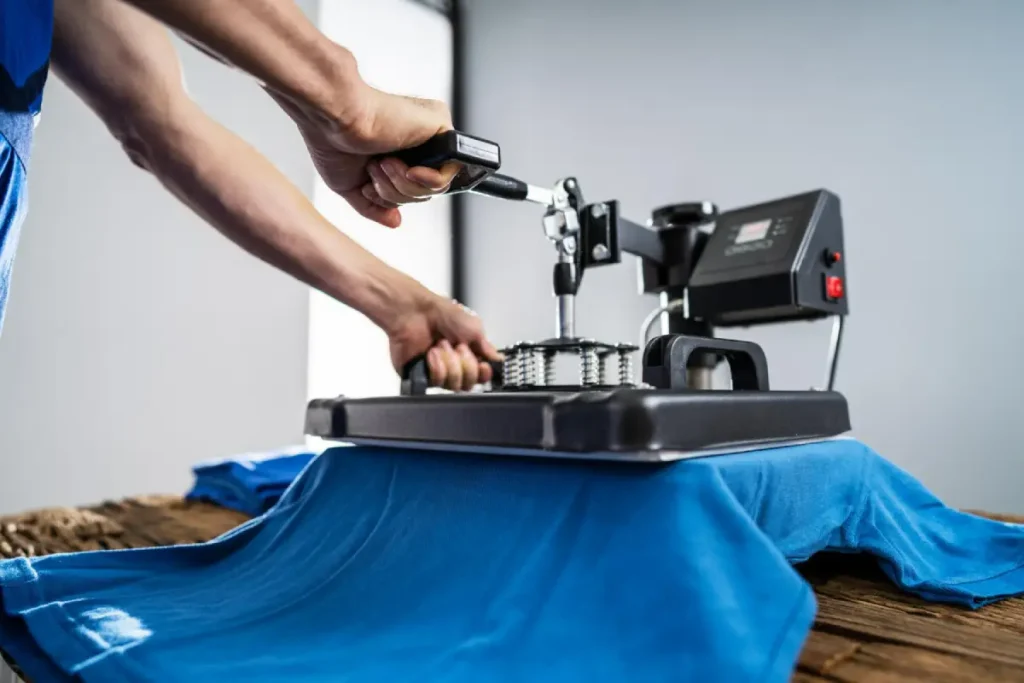
For independent apparel designers, the leap from a hobbyist setup to a commercial-grade production house is rarely about working harder; it is about mastering the mechanics of material integration. Many brands enter the market viewing dtf technology as a simple convenience, but if you want to move into the high-margin, premium-retail tier, you must view your workshop as an engineering lab. The goal is no longer just “printing a graphic”—it is about achieving a molecular-level bond that survives the rigors of consumer wear.
A retail-ready garment is defined by the longevity of its decoration. When you utilize high-quality dtf transfers, you are engineering a composite material. If that material fails—whether through cracking, edge-lifting, or delamination—your brand’s reputation suffers instantly. Harwin believes that the key to avoiding these pitfalls is not intuition, but the rigid application of measurable, repeatable production standards.
The Production Ledger: Removing Human Variability
Inconsistent quality is the silent killer of apparel brands. To scale effectively, you must eliminate the “operator’s choice” from your workflow. Every garment type you offer should have a corresponding **Technical Profile** in your internal database, ensuring that every team member follows the exact same procedure:
- Moisture Evacuation: Every textile is a moisture sponge. A mandatory 10-second pre-press is the only way to clear the steam-path that would otherwise block your adhesive from locking into the fiber weave.
- Force Parity: Pressure is the driver of adhesion. Using a digital PSI readout on your press allows you to replicate the perfect bonding conditions for every unit, ensuring the adhesive flows evenly into the textile structure.
- Structural Cooling: Peeling while the transfer is hot is a recipe for failure. The transition from a molten adhesive state to a locked-in solid must happen while the print is still pressed against the fabric. This “setting” period is critical for bond integrity.
Logistical Efficiency through Regional Integration
The traditional “inventory-heavy” business model is a massive risk for growing brands. By searching for dtf transfers near me, you gain access to a localized manufacturing partner who acts as an extension of your own brand. This regional partnership is not just about logistics—it’s about operational agility.
When you eliminate the lead times associated with long-distance shipping, you can run your business with near-zero idle inventory. You become capable of responding to market shifts instantly. If a specific colorway or design starts trending on social media, you can produce a batch and have it ready for sale within days. This “Lean Production” approach keeps your capital circulating in your marketing and design efforts, rather than sitting in a warehouse as unsold stock.
Governance via Empirical Auditing
You cannot claim your product is “premium” if you have never tested it against the harsh realities of real-world use. Elite apparel brands use an “Internal Stress-Test Protocol.” By taking random samples from each production run and subjecting them to industrial-grade, high-heat laundry cycles, you gather the data required to back your brand’s quality claims.
When your marketing is supported by genuine durability data, your brand authority increases. You aren’t just selling a t-shirt; you are selling a tested, durable asset. This distinction is what allows successful brands to break away from commodity-priced competition and move into the realm of high-margin retail where quality—not just design—is the primary driver of the sale.
Frequently Asked Questions
What is the most effective way to prevent “edge-lifting”?
Edge-lifting is usually a symptom of uneven platen pressure. If your press is not perfectly level, the edges of the platen will receive less PSI than the center. Always use a leveled press and center your artwork to ensure consistent force across the entire graphic.
Is DTF better for performance athletic wear?
It is an ideal solution for performance gear, but you must avoid thermal damage. Athletic fabrics are heat-sensitive. Always use “low-melt” adhesive powders and perform a thermal gradient test to find the absolute minimum temperature required to achieve a secure bond.
How does ink density affect the overall garment comfort?
Over-saturation of the white ink layer creates a thick, “rubber-like” feel. By utilizing high-quality RIP software to manage ink density, you can achieve vibrant color while maintaining a thin, flexible print that moves with the fabric.
What does “elastic memory” mean in transfer quality?
It refers to the transfer’s ability to stretch and return to its original shape without cracking. A premium transfer acts like a rubber band—when the fabric expands, the graphic follows. If the graphic shows “whitening” or cracks, it lacks the elasticity needed for long-term durability.
Building a successful, high-quality apparel brand is a journey of continuous technical refinement. By mastering the potential of dtf, you position your brand to compete at the highest level of the custom merchandise market. Harwin is committed to providing the industry insights you need to turn your production floor into a professional, profitable enterprise. Start optimizing your workflow today—your commitment to quality is the most valuable investment you can make for your brand’s future.