
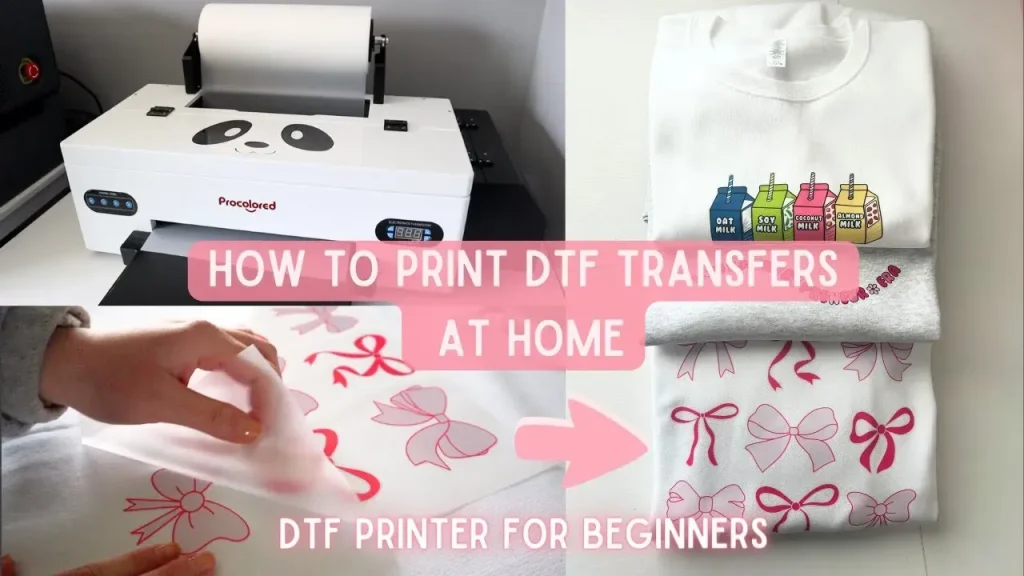
DIY DTF transfers have revolutionized the world of fabric printing, offering enthusiasts and small business owners an exciting way to create vibrant designs at home. This innovative method of Direct-to-Film printing allows you to transfer intricate artworks onto textiles with stunning detail and color. With an understanding of step-by-step DTF printing techniques, you can achieve professional-quality results using basic DTF printing materials. In this guide, we will explore how to use DTF transfers effectively, highlighting the best DTF transfer techniques for various fabrics. Elevate your crafting game and discover the limitless possibilities that DIY DTF transfers have to offer!
The art of direct-to-film transfers has captured the attention of creative individuals looking to personalize their fabric projects. Known for its ability to produce rich, detailed images, this method has gained traction among crafters and entrepreneurs alike. Utilizing a specialized transfer film and applying heat, you can effortlessly imprint designs onto a range of textiles. This technique not only ensures durability but also enhances the vibrancy of your creations, making it a favorite in the realm of custom apparel. Join us as we delve into the process, equipment, and tips needed to master this exciting fabric printing approach!
Exploring the Benefits of DIY DTF Transfers
DIY DTF transfers offer a multitude of advantages that make them an appealing choice for crafting and small business applications. One of the primary benefits is the ability to produce vibrant fabric printing with intricate designs that stand out. This method allows users to transfer detailed graphics onto various materials, catering to different artistic styles and preferences. Furthermore, DTF printing shines in its versatility, making it suitable for cotton, polyester, and even blends, enabling creators to diversify their products easily.
Another significant benefit of DIY DTF transfers is their durability. Unlike some printing methods that may fade or crack over time, DTF prints maintain their integrity after multiple washes, similar to traditional screen printing techniques. This durability ensures that products created with DTF technology can withstand everyday wear and tear, making them ideal for apparel. The process is also simplified, requiring fewer steps than other printing methods, thus encouraging more creators to experiment with this innovative technique.
Essential Materials for DTF Printing Success
To embark on your DIY DTF transfers journey, assembling the right materials is crucial for successful outcomes. A DTF printer designed specifically for this purpose is essential, as it uses specialized inks to produce high-quality prints. Additionally, DTF transfer film must be acquired, as this film is the foundation for transferring your designs onto fabric. Coupled with high-quality hot-melt adhesive powder, which bonds the print to the fabric, these materials set the stage for achieving vibrant colors and stunning designs.
Apart from the printer and film, a reliable heat press machine is necessary for applying pressure and heat uniformly during the transfer process. The selection of fabric is also vital; understanding which textiles work best with DTF transfers can greatly affect the final print quality. Common choices include different blends of cotton and polyester. Having effective design software is another critical element; programs like Adobe Illustrator enable precise control over your design, ensuring that even the smallest details are captured in your final prints.
Step-by-Step Guide to DTF Printing
The DTF printing process involves several key steps that are essential for achieving perfect prints. First, design creation is crucial. Utilize design software to develop a high-resolution graphic, ensuring it fits the defined area of the DTF film. Following this, printing the design requires careful attention—remember to mirror the image before printing to ensure your transfer appears correctly once applied to the fabric. This preparation is vital for a successful and seamless transfer.
After printing, the next step of applying adhesive is critical. Sprinkle hot-melt adhesive powder onto the wet ink while it’s warm, as this ensures optimal bonding between the design and the textile. Curing the design is another important phase; whether using a curing oven or a heat press, applying the right amount of heat guarantees that the adhesive melts properly, ensuring longevity and durability. Finally, transferring the design onto the chosen fabric should be done with care to achieve the best results, highlighting the importance of following each step closely in the DTF printing process.
Tips for Achieving Perfect DTF Prints
To attain high-quality DTF prints, users should consider implementing essential tips throughout their projects. Starting with test prints is a valuable strategy, as they allow you to assess color accuracy and adhesion before committing to larger projects. Fabric preparation is also paramount; pre-washing fabrics can remove any residues that hinder the transfer’s ability to adhere effectively. These preliminary steps can significantly enhance the overall print quality and durability.
Furthermore, it’s vital to ensure that your heat press is correctly calibrated to the right temperature and pressure settings. Many users overlook this step, but incorrect calibration can lead to inadequate transfers, diminished adhesion, or unsatisfactory results. By taking the time to adjust these settings accurately, creators can vastly improve the consistency and quality of their prints, allowing for professional-grade outputs that meet or exceed expectations. Performing regular maintenance on the equipment will also yield better results over time.
Market Trends in DTF Printing
The market for DIY DTF printing is rapidly expanding, driven by the accessibility of technology and the growing interest among creators. With platforms like YouTube showcasing countless tutorials, more individuals are learning how to use DTF transfers to create custom apparel and merchandise. This surge in interest highlights a widespread recognition of the vibrant fabric printing capabilities that DTF offers, making it an attractive option for both hobbyists and small business owners.
On e-commerce platforms such as Etsy, a noticeable uptick in DTF kits and custom apparel options is evident. As more people gravitate towards personalized clothing and unique prints, the convenience provided by DTF technology cannot be overstated. Additionally, many small businesses leverage this technique to create niche products that cater to specific audiences. The thriving market indicates not only a trend but a significant movement towards versatile and effective printing solutions in the textile industry.
Understanding the Advantages of DTF Printing
DTF printing boasts numerous advantages that have attracted many users looking for versatile fabric printing solutions. One of the most acclaimed benefits is the ability to produce intricate designs with exceptional color vibrancy. This capability allows creators to push their boundaries, experimenting with various styles that were previously difficult to achieve with other printing methods. The DTF process is also particularly advantageous for those seeking to print on a wide range of textiles, from cotton to polyester, without compromising quality.
Durability stands out as a key advantage of DTF transfers as well. DTF designs endure washing better than many other printing types, preserving the vibrant colors and fine details over extended periods. This reliability makes it an attractive option for garments that require longevity and resilience. Moreover, the simplified process associated with DTF printing encourages both novices and seasoned professionals to explore and innovate, proving that this method goes beyond mere printing—it’s a platform for creating lasting impressions.
Frequently Asked Questions
What materials do I need for DIY DTF Transfers?
To successfully create DIY DTF transfers, you will need a DTF printer compatible with DTF inks, DTF transfer film, hot-melt adhesive powder, a reliable heat press machine, design software like Adobe Illustrator, and various textiles like cotton or polyester for printing.
How do I use DTF transfers effectively in my projects?
To use DIY DTF transfers effectively, start by creating your design in high resolution, print it mirrored on DTF transfer film, sprinkle adhesive powder on wet ink, cure the design, and then transfer it onto your fabric using a heat press for optimal results.
What are the best DTF transfer techniques for vibrant fabric printing?
The best DTF transfer techniques include ensuring high-resolution designs for clarity, using the right heat and pressure settings during transfer, testing prints for color accuracy, and properly preparing fabrics by pre-washing them to enhance adhesion.
Can I achieve detailed images using DIY DTF Transfers?
Yes, DIY DTF transfers are known for their ability to produce detailed images with vibrant colors, making them an excellent choice for custom apparel and intricate designs on various fabric types.
What steps should I follow for step-by-step DTF printing?
The step-by-step DTF printing process includes designing your graphic, printing it on DTF transfer film, applying adhesive powder, curing the film, performing the transfer with a heat press, and finally peeling away the film to reveal the print.
What advantages do DTF Transfers offer over other printing methods?
DTF transfers offer increased versatility for printing on various fabrics, durability comparable to traditional screen printing, and a simplified process that requires fewer steps, making them an attractive option for DIY enthusiasts and small businesses.
| Key Points | Details |
|---|---|
| Understanding DTF Transfers | DTF printing uses a special film to transfer designs onto fabric, providing high-quality results. |
| Materials Needed | DTF Printer, Transfer Film, Adhesive Powder, Heat Press Machine, Design Software, Textile. |
| Step-by-Step Instructions | Design Creation > Printing > Applying Adhesive > Curing > Transfer Process > Peeling. |
| Tips for Perfect Prints | Conduct test prints, pre-wash fabrics, and ensure accurate heat press settings. |
| Advantages of DTF Transfers | Versatile, durable, and a simplified process for printing intricate designs. |
| Market Trends | Growing popularity among DIY creators and small businesses; accessible technology. |
Summary
DIY DTF Transfers offer a remarkable opportunity for creativity and personalization in textile printing. This innovative process allows you to create vibrant, detailed designs on various fabrics with ease and durability. By following a straightforward set of steps, you can master DTF printing, from preparing your designs to executing flawless transfers, ensuring that each project is a success. With the increasing popularity of DIY culture and accessible technologies, now is the perfect time to explore the benefits and techniques of DIY DTF Transfers.