
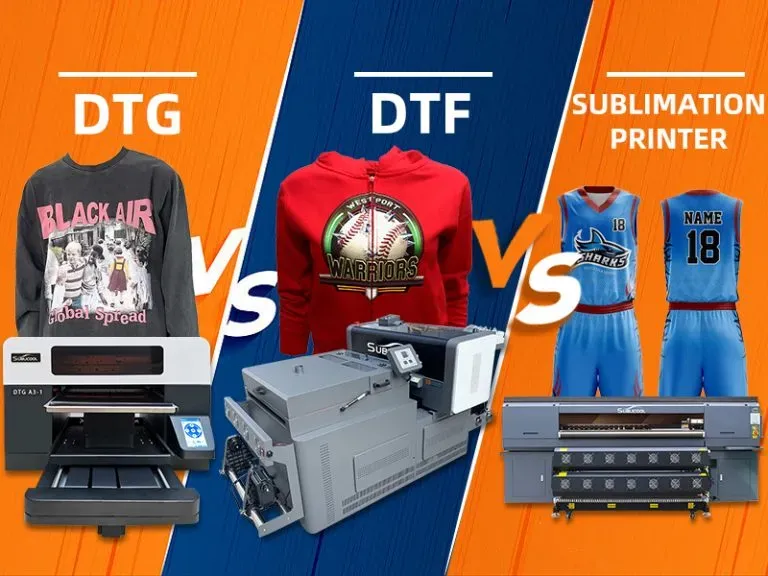
When it comes to garment customization, the debate of DTF vs DTG is at the forefront of modern printing technologies. Both Direct-to-Film (DTF) and Direct-to-Garment (DTG) printing offer unique benefits tailored to different needs and applications in the fashion industry. DTF advantages, such as its compatibility with a wide range of fabrics, allow for creativity beyond traditional cotton garments, making it a versatile choice for many designers. Conversely, DTG printing shines in producing detailed designs on cotton fabrics, appealing to those focused on high-quality textile prints. Understanding these garment printing methods will empower you to choose the right approach for your next project, maximizing both aesthetics and durability.
In the realm of clothing decoration, two notable techniques frequently emerge in conversation: Direct-to-Film and Direct-to-Garment printing. Each of these methods boasts its own set of benefits, with Direct-to-Film excelling in fabric adaptability and Direct-to-Garment standing out for its ability to create intricate, vivid designs primarily on natural fabrics. As more businesses and creators navigate their printing options, recognizing the strengths of Direct-to-Film and Direct-to-Garment becomes essential for making informed decisions. The ongoing development in these printing technologies continues to reshape the landscape of customized apparel, paving the way for innovative approaches.
Exploring the Versatility of Direct-to-Film Printing
Direct-to-Film (DTF) printing stands out for its remarkable versatility, allowing for the decoration of a wide range of fabrics beyond traditional cotton. This method is particularly advantageous in today's diverse apparel market, as it can print effectively on materials like polyester, blends, and even some synthetics, accommodating the growing demand for varied garment types. This flexibility enables businesses to expand their product lines, catering not only to cotton lovers but also to consumers interested in performance fabrics and unique blends.
Moreover, the DTF printing process ensures that intricate designs with complex color palettes can be reproduced accurately. The capability to achieve vibrant colors means that graphics maintain their impact on diverse fabric types, making DTF an excellent choice for brands looking to make a statement with bold visuals. Innovations like Snuggle DTF further enhance this method by providing print solutions that prioritize quality and ease of use, keeping businesses competitive in a fast-evolving market.
Understanding the Benefits of Direct-to-Garment Printing
Direct-to-Garment (DTG) printing presents a unique set of benefits that particularly align with high-quality, detailed garment production. This method applies ink directly onto the garment, primarily on natural fibers like cotton, which ensures deep penetration and clarity in designs. The capability for intricate color work makes DTG an ideal choice for artists and designers who value precision, particularly for one-off pieces or small runs.
Although DTG processes can require additional steps like pretreatment for fabric to ensure ink adhesion, the results are well-worth the extra effort. DTG prints are known for their fine detail and vibrant hues, which can make even complex designs stand out on garments. Additionally, the equipment developments, such as the XTF Pro DTG Printer, are gearing towards user-friendly features that enhance productivity without compromising on the quality, making DTG a favorite amongst small businesses and boutique designers.
DTF vs DTG: Key Differences You Should Know
When choosing between DTF and DTG printing, understanding their core differences is crucial. DTF printing is lauded for its compatibility with various types of fabrics, including those not traditionally used in garment printing. This adaptability means businesses can cater to a broader audience by offering products made from both cotton and synthetic materials. Meanwhile, DTG artistry shines with its focus on natural materials, predominantly cotton, allowing for stunning detail and color when applied correctly.
Furthermore, the durability of prints varies significantly between the two. DTF prints are generally more resistant to washing and wear over time compared to DTG prints, which may have limitations depending on post-wash care. Therefore, for brands focused on longevity and wearability, DTF could be the more reliable choice, while DTG remains the go-to for high-detail, showcase pieces that capture attention through quality craftsmanship.
Production Efficiency in Garment Printing Methods
Production efficiency is another area where DTG and DTF differ markedly. DTF printing excels in producing large runs quickly, making it ideal for businesses that need to meet high demands without losing quality. Because DTF can accommodate many fabric types at once, it allows for streamlined production processes, which is essential in maintaining a competitive edge in fast-paced markets.
Conversely, DTG printing is often viewed as better suited for low-volume jobs, particularly those emphasizing customization. The initial setup can be more labor-intensive, but this method shines when it comes to creating one-of-a-kind pieces where each garment has unique artistic merit. Small businesses and independent artists find great value in DTG's capabilities for producing bespoke items, ensuring attention to detail and personalization that consumers increasingly crave.
Cost Considerations in DTF and DTG Printing
When evaluating costs associated with DTF and DTG printing, it's essential to consider not only the initial investment but also the long-term returns. DTF printers have become increasingly budget-friendly, especially with the emergence of models like the XTF Pro, which cater to small business budgets without sacrificing quality. This affordability aligns well with enterprises looking to expand without overwhelming their financial resources.
On the other hand, while DTG printers can involve significant upfront expenses, the value lies in their unparalleled output quality for high-end garments. The costs can add up due to necessary pretreatment processes and maintenance, making it vital for businesses to weigh these factors against their production volume and product offerings. Understanding the total cost of ownership for each method can significantly impact a company's ability to scale its operations sustainably.
Choosing the Right Printing Method for Your Needs
Ultimately, the decision between DTF and DTG printing hinges on specific business needs and goals. If your priority lies in versatility and catering to a broader fabric selection, DTF may be the best fit. Its capacity to produce vibrant, durable prints on various materials positions it as a favorable option for brands aiming to expand their offerings while maintaining quality.
Conversely, those who emphasize quality, richness in detail, and uniqueness in their creations will find that DTG printing holds the advantage. For businesses focusing on artistry and limited runs, DTG printing provides the opportunity to craft exquisite items that distinguish them in a crowded marketplace. As both technologies continue to evolve, monitoring industry trends can help you stay informed and make the best choices for your printing endeavors.
Frequently Asked Questions
What are the primary differences between DTF and DTG printing?
The primary differences between DTF (Direct-to-Film) and DTG (Direct-to-Garment) printing include fabric compatibility, durability, color vibrancy, and production efficiency. DTF can print on a wide range of fabrics, including synthetic materials, while DTG is mainly suited for cotton and requires pre-treatment of fabrics for optimal results.
What are the advantages of DTF printing over DTG?
DTF printing boasts several advantages over DTG, including its versatility in printing on various fabric types, vibrant color reproduction, and durability against wash wear. This makes DTF an excellent choice for businesses looking to create diverse products quickly.
Can DTF and DTG printing methods be used interchangeably?
While DTF and DTG printing methods have overlapping applications in garment customization, they cannot be used interchangeably. DTF is more versatile for various fabrics, while DTG is preferred for detailed and high-quality prints on cotton textiles.
Which printing method offers better color vibrancy, DTF or DTG?
DTF printing generally offers better color vibrancy due to the transfer process used, allowing for more vibrant and intricate designs compared to DTG, which is more suited for detailed prints on specific textiles.
Is DTF printing more cost-effective than DTG printing for small businesses?
DTF printing can be more cost-effective than DTG for small businesses, especially with advancements in technology like the XTF Pro DTF printer that offers budget-friendly solutions. DTF's efficiency for larger runs and fabric versatility also contributes to cost savings.
What types of fabrics can be used with DTF versus DTG printing?
DTF printing can be used on a wide array of fabrics, including polyester, cotton blends, and some synthetic materials. In contrast, DTG printing is primarily limited to cotton fabrics, which restricts its versatility.
| Criteria | DTF (Direct-to-Film) | DTG (Direct-to-Garment) |
|---|---|---|
| Fabric Compatibility | Can print on various fabrics including synthetic and blends | Primarily limited to natural fabrics like cotton, requires pretreatment |
| Durability | Highly durable, suitable for frequent washing | Less durable over time, may wear down faster if not cared for |
| Color Vibrancy | More vibrant colors due to transfer process | Excels in intricate designs but color vibrancy may vary with fabric |
| Production Efficiency | More efficient for larger runs and diverse fabric types | Better for low-volume production and custom pieces |
| Initial Investment | Cost of DTF printers is declining and budget-friendly options are available | Typically higher initial cost for DTG printers |
Summary
DTF vs DTG: Choosing the right printing method for your garment customization is crucial, and understanding the characteristics of each can guide your decision. DTF (Direct-to-Film) offers versatility across fabric types and vibrant colors, making it ideal for businesses seeking a range of products. Conversely, DTG (Direct-to-Garment) specializes in high-quality designs on cotton, perfect for detailed, individual pieces. As technology evolves with innovations like Snuggle DTF and XTF Pro, each method continues to improve in quality and efficiency. Assessing your specific needs regarding fabric, design, and production volume will aid you in determining whether DTF or DTG is the best fit for your projects.