
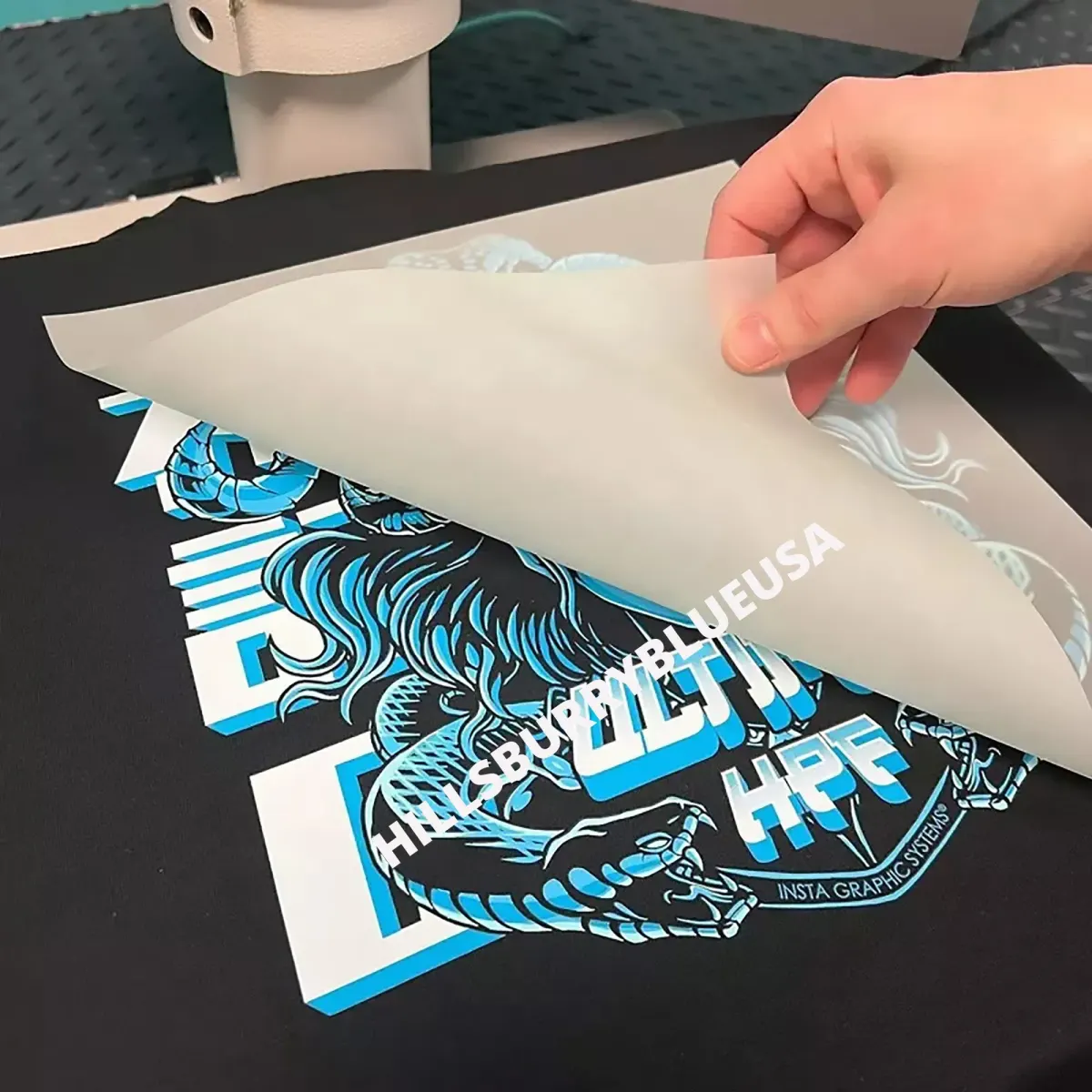
DTF transfers, or Direct to Film transfers, have emerged as a game-changer in the printing industry, allowing beginners to create stunning designs for apparel with relative ease. For those diving into this technique, this beginner guide to DTF transfers will provide you with step-by-step instructions, insightful tips, and the best practices to achieve fantastic results. With DTF printing tutorials readily available, you can learn about the significance of high-quality DTF transfer products and uncover the best DTF transfer techniques. The flexibility of DTF transfers means you can print on various fabric types while enjoying a vast color palette and detailed images. Join the rising trend of DTF transfers and take the first step towards unlocking your creative potential in custom garment printing today!
Revolutionizing the apparel printing landscape, Direct to Film technology offers unmatched versatility for hobbyists and professionals alike. Known for its adaptability across multiple fabric types, DTF printing opens the door to vibrant designs that were once challenging to achieve. This comprehensive guide is designed with beginners in mind, providing essential insights into the application of DTF techniques and resources for quality materials. Whether you’re interested in learning about the step-by-step process, the best methods for transfer application, or finding the right products, you'll find it all here. Explore the exciting world of DTF printing, where creativity meets practicality in garment customization!
Getting Started with DTF Transfers: A Beginner's Guide
For those embarking on the exciting journey of DTF transfers, it's essential to start with a solid understanding of the basic concepts. DTF, which stands for Direct to Film, is a relatively new technology in the realm of fabric printing. Many beginners often wonder what makes DTF different from other printing methods like screen printing or heat transfer vinyl. Unlike those older techniques, DTF allows for the creation of intricate designs on various fabric types without requiring extensive setup or high-volume production runs. This makes it an attractive option for small businesses and DIY enthusiasts.
One of the first steps in utilizing DTF transfers effectively is familiarizing yourself with essential equipment, such as a quality DTF printer, heat press, and transfer film. As these products vary widely in quality and performance, it's crucial for beginners to do research and invest in reliable brands to ensure successful results. By getting acquainted with the tools and understanding the capabilities they offer, you will be well-equipped to tackle your first DTF project.
Understanding DTF Transfer Products: Key Components for Success
To achieve high-quality results in your projects, understanding the various DTF transfer products is vital. These products include DTF transfer film, adhesive powder, and high-quality inks specifically formulated for DTF printing. When selecting these items, pay close attention to the specifications and compatibility with your printer. Investing in premium transfer products, such as those from reputable brands, can significantly enhance your printing experience and end result.
Moreover, the application of adhesive powder is a critical step that dictates the durability and vibrancy of the printed design. A hot-melt adhesive powder should be used to ensure that the design adheres properly to the fabric during the transfer process. Finding the right powder that works well with your chosen transfer film and ink will make a considerable difference in achieving vivid colors and long-lasting prints.
Tips and Tricks for Best DTF Transfer Techniques
When starting with DTF transfers, it's essential to implement best practices that can help streamline your process and enhance the quality of your output. One technique is to ensure optimal printer settings to achieve accurate color reproduction which is crucial for capturing the intricacies of your designs. Adjusting the printer settings, such as resolution, ink saturation, and color profiles, can lead to a better quality print on your DTF transfer film, thus improving the final product.
Additionally, testing different types of fabrics before committing to your final design placement is a strategy many seasoned users suggest. By using scrap fabric, not only do you minimize waste, but you also gain invaluable practice with temperature settings and pressure application from your heat press. Experimenting with various fabrics will also allow you to learn how different materials interact with your DTF transfers, ensuring that you achieve the best results every time.
Step-by-Step DTF Printing Tutorial for Beginners
Begin your DTF journey with a thorough step-by-step guide tailored specifically for beginners. Start with designing your artwork in a graphic design program such as Adobe Illustrator or CorelDRAW, as these platforms provide robust tools for creating intricate designs. The most important aspect of design creation is ensuring that your artwork is high-resolution and properly formatted, with a transparent background, to optimize it for printing on DTF transfer film.
Following the design phase, the next steps include printing onto the DTF transfer film using a compatible DTF printer and applying the adhesive powder evenly over the wet ink. Pay attention to the curing process as well, which involves melting the adhesive powder to ensure a strong bond between the ink and the fabric. Each step in this process is integral to achieving professional-quality results, and following a structured approach will make it easier for beginners to grasp the nuances of DTF printing.
The Importance of Quality Materials in DTF Printing
In DTF transfer printing, the importance of using quality materials cannot be overstated. Beginners should realize that investing in high-quality DTF films, inks, and powders significantly impacts the durability and appearance of their prints. Many beginners may think that less expensive options can achieve similar results, but this often leads to poor adherence and washed-out colors, resulting in disappointing outcomes.
Quality materials not only ensure the longevity of the prints but also enhance color vibrancy and detailing in the final designs. Brands like Insta Graphic Systems and Sam’s DTF Transfers are well-regarded in the industry for their reliable products. Leveraging these quality materials will set you on the right path, giving you the confidence to experiment more boldly with your designs and push the boundaries of creativity.
Continual Learning in DTF Printing: Staying Ahead of Trends
As with any craft, continual learning is key to mastering DTF printing. Staying informed about advancements in the technology and techniques is crucial for improving your own skills. Resources such as industry publications, online forums, or social media groups dedicated to DTF transfers can provide valuable information about the latest trends and innovations. Additionally, joining such communities can offer opportunities for learning from experienced professionals and exchanging tips and tricks.
Keeping up with the latest developments can also help you discover new products that may enhance your workflow. For instance, newer printing inks or innovative transfer films could provide superior results. Regularly checking reputable sites such as Yahoo Finance or industry leader announcements can be invaluable in staying ahead of the curve and ensuring that your DTF printing techniques remain both current and competitive.
Frequently Asked Questions
How to use DTF transfers for beginners?
Using DTF transfers is straightforward. Start by creating your design in a program like Adobe Illustrator, then print it onto DTF transfer film using a compatible DTF printer. Apply hot-melt adhesive powder evenly, cure it with a heat press, then transfer it onto your fabric. Remember to peel off the film after cooling for a perfect finish.
What are the best techniques for DTF transfer printing?
The best DTF transfer techniques include using high-quality materials, precise printer settings, and ensuring even application of hot-melt adhesive powder. Curing the adhesive properly and practicing on scrap fabric can help achieve vibrant and durable designs.
What products are recommended for DTF transfers?
Recommended products for DTF transfers include high-quality transfer films and hot-melt adhesive powders from brands like Insta Graphic Systems and Sam’s DTF Transfers. Ensure your DTF printer has compatible inks to maximize color accuracy and design fidelity.
Can I use DTF transfers on any fabric?
Yes, DTF transfers are versatile and can be used on various fabrics, including cotton, polyester, and blends. This adaptability makes DTF a popular choice among designers looking for vibrant prints on different materials.
What is a DTF printing tutorial for beginners?
A DTF printing tutorial for beginners typically covers the entire process: from designing artwork, printing on transfer film, applying adhesive powder, curing, to the actual transfer onto fabric. Tutorials often highlight essential tips for achieving the best results.
How durable are prints made with DTF transfers?
Prints made with DTF transfers are known for their durability. They can withstand multiple washes without fading or losing quality, making them ideal for both personal use and commercial applications.
| Step | Description | Tips |
|---|---|---|
| 1 | Design Creation: Create and size your artwork using graphic programs. | Use Adobe Illustrator or CorelDRAW for best results. |
| 2 | Film Printing: Print the design onto DTF transfer film with a compatible printer. | Use high-quality ink for color accuracy. |
| 3 | Powder Application: Apply hot-melt adhesive powder onto the wet ink. | Ensure even coverage and shake off excess powder. |
| 4 | Curing: Melt the adhesive powder using a heat press at 160-180°C. | Follow supplier instructions for curing times. |
| 5 | Transfer Process: Position the transfer film on the garment and apply heat and pressure. | Ensure the fabric is clean and wrinkle-free before pressing. |
| 6 | Peeling Off: After cooling, peel away the film to reveal your design. | Check for proper adherence of the design. |
Summary
DTF Transfers offer an innovative approach to garment printing that combines ease of use with exceptional results. This technique is perfect for beginners looking to create vibrant, high-quality prints on a variety of fabrics, from cotton to polyester. By following a structured step-by-step process—from designing and printing to transferring and curing—users can achieve stunning results that stand the test of time. Quality materials, continuous learning, and practice are essential for mastering DTF transfers, and with dedication, anyone can excel in this rewarding craft. Explore further resources and stay updated on the latest advancements in DTF technology to continuously enhance your skills.